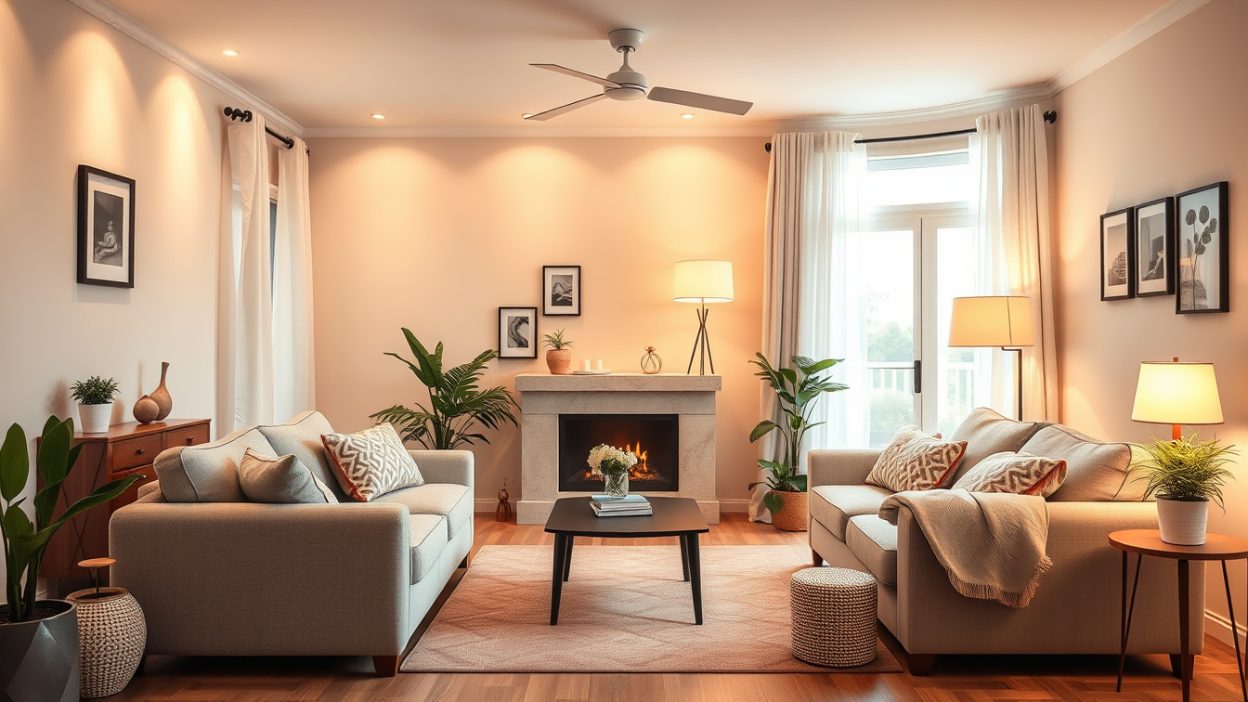
As you embrace the golden years of retirement, your home should reflect the comfort and ease you deserve. That’s where strategic home improvements come into play. Tailoring your living space to meet your evolving needs can significantly enhance your quality of life. From ensuring accessibility and safety to creating serene environments for relaxation, these home improvements can transform your retirement experience into a comfortable and enjoyable journey. In this article, we’ll explore essential home improvements for retirement that will help you create the ideal sanctuary to thrive in your later years.

Key Takeaways
- Assess your personal needs to effectively tailor home improvements for a comfortable retirement.
- Implement accessibility modifications to ensure mobility and safety in your living space.
- Design comfortable living areas that prioritize relaxation and functionality for everyday use.
- Invest in energy efficiency upgrades to lower utility costs and enhance your home’s comfort.
- Plan and budget for renovations wisely to ensure your retirement home meets all your needs without overspending.
Assessing Your Needs: Tailoring Home Improvements for Retirement
As you approach retirement, assessing your needs is essential to ensuring that your living space aligns perfectly with your lifestyle and comfort requirements. Home improvements tailored specifically for retirement can significantly enhance your day-to-day life, making your home not only more functional but also safer and more enjoyable. Consider renovations like installing grab bars in the bathroom, widening doorways for mobility aids, or creating a single-level living space to avoid the difficulties of stairs. Emphasizing open spaces can improve accessibility and ease of movement. Additionally, outdoor home improvements such as adding ramps or covered patios can foster a connection with nature while maintaining safety. By focusing on these tailored home improvements for retirement, you can create a living environment that supports your needs now and in the future, allowing you to enjoy this exciting new chapter of life.
Creating Accessibility: Modifications for Mobility and Safety
As individuals age or face mobility challenges, home improvements for retirement become essential in ensuring both comfort and safety. Modifications can transform a typical home into an accessible haven, significantly improving the quality of life. Key upgrades such as installing grab bars in bathrooms, widening doorways to accommodate wheelchairs, and adding ramps instead of stairs can enhance mobility. Additionally, incorporating non-slip flooring reduces the risk of falls, a common concern for seniors. Leveraging smart home technology also plays a crucial role; automated lighting and voice-activated systems can provide greater independence and ease. By thoughtfully investing in these home improvements for retirement, you not only promote safety but also foster a supportive environment that allows for continued independence.
‘Home is not a place, it’s a feeling.’ – Cecelia Ahern

Designing Comfortable Living Spaces: Tips for Relaxation and Functionality
Designing comfortable living spaces is essential, especially for those considering home improvements during retirement. As we age, our homes should evolve to enhance relaxation and functionality while addressing specific needs. Start by decluttering your space; a tidy environment contributes to a calmer atmosphere, reducing stress. Incorporating natural light through larger windows or strategic placement of mirrors can also enhance the ambiance, making the space feel more open and inviting. Opt for ergonomic furniture to ensure comfort during prolonged use, and select colors that promote tranquility, such as soft blues or greens. Additionally, creating designated areas for hobbies or relaxation—be it a reading nook or a garden sanctuary—can significantly improve your daily enjoyment. By focusing on these home improvements for retirement, you can cultivate a haven that not only serves your functional needs but also enhances your overall quality of life.
Energy Efficiency Upgrades: Lowering Costs and Increasing Comfort
When considering home improvements for retirement, energy efficiency upgrades stand out as a smart investment that not only lowers costs but also enhances comfort. As individuals prepare for this new phase of life, optimizing their living spaces to be more energy-efficient can lead to significant savings on utility bills. Implementing upgrades such as energy-efficient windows, properly insulated walls, and high-efficiency HVAC systems can drastically reduce energy consumption and provide a more stable indoor climate, making homes more comfortable year-round. Additionally, many of these home improvements can qualify homeowners for tax incentives or rebates, further alleviating financial concerns during retirement. By prioritizing energy efficiency, retirees can enjoy a cozy, cost-effective home that aligns with their sustainable living goals.

Outdoor Spaces: Enhancing Gardens and Patios for Leisure
As homeowners approach retirement, many find themselves seeking ways to enhance their living spaces to better accommodate leisure and relaxation. One of the most rewarding home improvements during retirement is focusing on outdoor spaces, particularly gardens and patios. These areas can serve as tranquil retreats, promoting a sense of well-being and offering a perfect venue for family gatherings or solo enjoyment of nature. By investing in thoughtful landscaping, comfortable seating, and perhaps even a cozy fire pit, retirees can transform their backyards into inviting havens that reflect their tastes and lifestyles. Moreover, incorporating low-maintenance plants not only beautifies the garden but also allows more time for leisure without the burden of extensive upkeep. Embracing outdoor home improvements can significantly enrich the retirement experience, blending functionality with personal relaxation.
Budgeting for Home Improvements: Planning Your Retirement Renovations
Planning for retirement is an essential part of ensuring a secure and enjoyable future, and budgeting for home improvements during this phase can significantly enhance your living environment. As you consider your retirement renovations, it’s crucial to prioritize home improvements that not only increase your property value but also cater to your changing lifestyle needs. Start by assessing your financial situation and determine how much you can allocate to these home improvements. Consider factors such as energy efficiency upgrades, accessibility modifications, or even creating a comfortable outdoor space for leisure activities. Additionally, researching potential grants or tax breaks for retirees can help subsidize the costs of your renovations. By keeping your budget in check and making strategic home improvements tailored to your retirement lifestyle, you can create a welcoming oasis that allows you to enjoy your golden years to the fullest.
Frequently Asked Questions
What are some essential home improvements I should consider for retirement?
Essential home improvements for retirement include modifications for accessibility, creating comfortable living spaces, energy efficiency upgrades, enhancing outdoor areas, and proper budgeting for renovations.
How can I make my home more accessible for my retirement needs?
You can make your home more accessible by installing grab bars, widening doorways, using non-slip flooring, adding ramps, and ensuring bathrooms are equipped with walk-in showers or accessible tubs.
What are effective ways to design comfortable living spaces for retirement?
To design comfortable living spaces, focus on ergonomic furniture, soft lighting, relaxation zones, and creating multifunctional areas that enhance both comfort and functionality.
How do energy efficiency upgrades contribute to a comfortable retirement?
Energy efficiency upgrades, such as installing energy-efficient appliances, improving insulation, and using smart thermostats, can lower utility costs and create a more comfortable living environment.
What should I keep in mind when budgeting for home improvements during retirement?
When budgeting for home improvements, consider the costs of materials, labor, potential permits, prioritize projects based on necessity, and set aside contingency funds for unforeseen expenses.