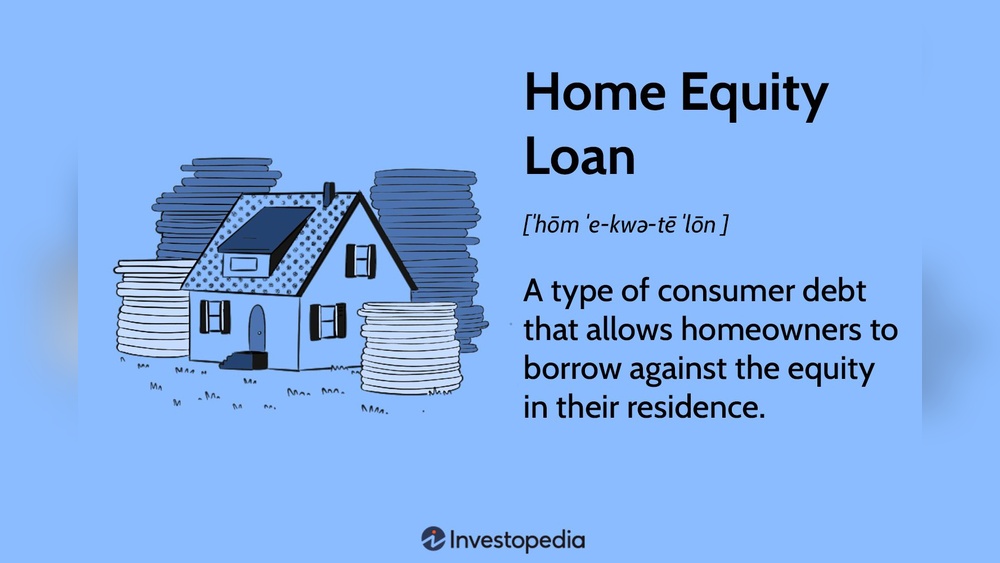
Is equity release the right choice for you? If you’re thinking about unlocking some extra cash from your home but aren’t sure where to start, you’re not alone.
Many homeowners wonder how equity release works, what the risks are, and if it’s a smart move for their future. This article will guide you through the basics, helping you understand how equity release could impact your finances and lifestyle.
Keep reading to discover if this option fits your needs and how to make the best decision for your situation.
What Is Equity Release
Equity release lets homeowners access money from their property. It is common for people aged 55 or older. They can get cash without selling their home. This option helps with bills, home improvements, or other costs.
Understanding equity release can help you decide if it fits your needs. It is important to know how it works and what types exist.
What Does Equity Release Mean?
Equity release means turning part of your home’s value into cash. You keep living in your home while getting money. The loan or plan is paid back later, often when you move or pass away.
Two main types exist: lifetime mortgages and home reversion plans. Lifetime mortgage lets you borrow against your home with interest. Home reversion means selling part of your home but staying as a tenant.
Who Can Use Equity Release?
People over a certain age can use equity release. Usually, you must be at least 55 years old. Your home must be your main residence and owned outright or nearly paid off.
Types Of Equity Release
Equity release offers different ways to access money from your home. Each type works in its own way. Understanding these options helps you choose what fits your needs best. Two main types of equity release are lifetime mortgages and home reversion plans.
Lifetime Mortgages
Lifetime mortgages let you borrow money using your home as security. You keep ownership of your house. Interest builds up on the loan over time. You do not have to make monthly payments. The loan and interest are paid back when you die or move into long-term care. This option suits those who want to stay in their home and need cash without monthly costs.
Home Reversion Plans
Home reversion plans involve selling part or all of your home to a provider. You get a lump sum or regular payments in return. You can live in your home rent-free until you pass away or move out. The provider owns a share of your home. The sale value may be less than market price. This plan works for those who want steady income and don’t mind sharing ownership.
Who Can Benefit
Equity release can help many people who own a home and are over a certain age. It allows them to use some value from their home without selling it. Many use this money for different reasons. Some want to plan better for retirement. Others want to clear debts. Some want to improve their homes. This section explains who can benefit from equity release and how.
Retirement Planning
People close to retirement often want extra money. Equity release gives them cash to enjoy their later years. It can pay for trips, hobbies, or daily costs. This money helps keep life comfortable after work stops. It also means less worry about savings running out.
Debt Management
Some homeowners have debts that cause stress. Equity release can pay off loans and credit cards. This lowers monthly payments and eases money problems. It helps people feel more secure and less pressured by bills.
Home Improvements
Many want to make their home nicer or safer. Equity release funds can fix roofs, add ramps, or renovate kitchens. These changes improve comfort and add value to the home. It helps people stay in their homes longer and happier.

Credit: www.wbw.co.uk
Potential Risks Involved
Equity release lets older homeowners access cash from their property. It sounds helpful, but risks exist. Knowing these risks helps you make smart choices.
Impact On Inheritance
Equity release reduces the value of your home. This means less money for your family after you pass away. Your heirs may get less inheritance than expected. This can cause family disagreements or disappointment. Planning carefully is important to protect your loved ones.
Effect On Benefits
Taking equity release can change your eligibility for benefits. Some government benefits depend on your income or savings. Extra money from equity release might make you lose these benefits. This could affect your financial support. Check with a benefits advisor before deciding.
Interest And Costs
Equity release comes with interest and fees. Interest builds up over time and adds to what you owe. This can shrink the money left in your home. Fees vary by provider and plan type. Understanding all costs helps avoid surprises later. Always read the fine print carefully.
Financial Implications
Equity release has financial effects that need careful thought. It changes how money flows in and out of your home. Understanding these effects helps you make the right choice for your future.
Repayment Terms
Equity release often means no monthly payments. The money you borrow plus interest is paid when you sell your home. This can reduce the value left for your heirs. Interest can build up over time, increasing the total debt. The amount you owe may grow faster than you expect. Check the contract carefully to know how repayments work.
Tax Considerations
Money from equity release is usually tax-free. It does not count as income, so no income tax applies. Using the cash does not affect your tax status. But selling your home might have tax effects if it is not your main residence. Talk to a tax advisor to understand your situation better.
Alternatives To Equity Release
Equity release is one way to access money from your home. Some people want other options. These alternatives can fit different needs and situations. Understanding these choices helps you pick what works best.
Downsizing
Downsizing means selling your current home. Then, buy a smaller, cheaper place. This frees up money from the sale. You keep less house but gain cash. It also lowers bills and upkeep costs.
Remortgaging
Remortgaging lets you change your mortgage terms. You may get a better rate or borrow more money. It can lower monthly payments or release some cash. This option needs good credit and steady income.
Government Schemes
Some government schemes help older homeowners. They offer financial support or benefits. Examples include pension credit or council tax reduction. These programs can ease money worries without using your home equity.
How To Decide If It’s Right
Deciding if equity release is the right choice needs careful thought. It affects your finances and future plans. You must understand how it fits your needs and situation. Think about your goals and risks before making a decision.
Assessing Personal Needs
Start by reviewing your current financial situation. Consider your income, expenses, and savings. Think about why you want extra money. Is it for home improvements, paying debts, or daily costs?
Check how long you plan to stay in your home. Equity release works best if you stay long term. Also, consider your health and family plans. These affect your ability to repay or manage the loan.
Seeking Professional Advice
Talk to a financial advisor or equity release specialist. They can explain the types of equity release and their pros and cons. A professional helps you understand the costs and risks.
Get advice tailored to your situation. Avoid making choices based on general information or ads. A good advisor will help you compare options and protect your interests.

Credit: cangafltd.com

Credit: everyinvestor.co.uk
Frequently Asked Questions
What Is Equity Release And How Does It Work?
Equity release allows homeowners to access cash from their property’s value. It’s usually for those over 55. You keep living in your home while receiving a lump sum or monthly payments.
Who Can Benefit From Equity Release Schemes?
Homeowners aged 55+ with significant property value can benefit. It suits those needing extra income or funds for home improvements or debt consolidation.
What Are The Main Types Of Equity Release?
The two main types are lifetime mortgages and home reversion plans. Lifetime mortgages involve borrowing against your home, while home reversion sells part of your property.
Are There Risks Associated With Equity Release?
Yes, equity release reduces inheritance and can affect benefits. Interest can build up, increasing the debt over time. Proper advice is essential before proceeding.
Conclusion
Equity release can offer extra money for later life needs. It suits some but not all homeowners. Consider your future costs and family plans carefully. Speak with a trusted adviser to understand risks. Know how it affects your home’s value and inheritance.
Take your time to weigh all options clearly. This choice can help with finances if used wisely. Make sure you fully understand terms before deciding. Equity release is a big step, so choose thoughtfully.

