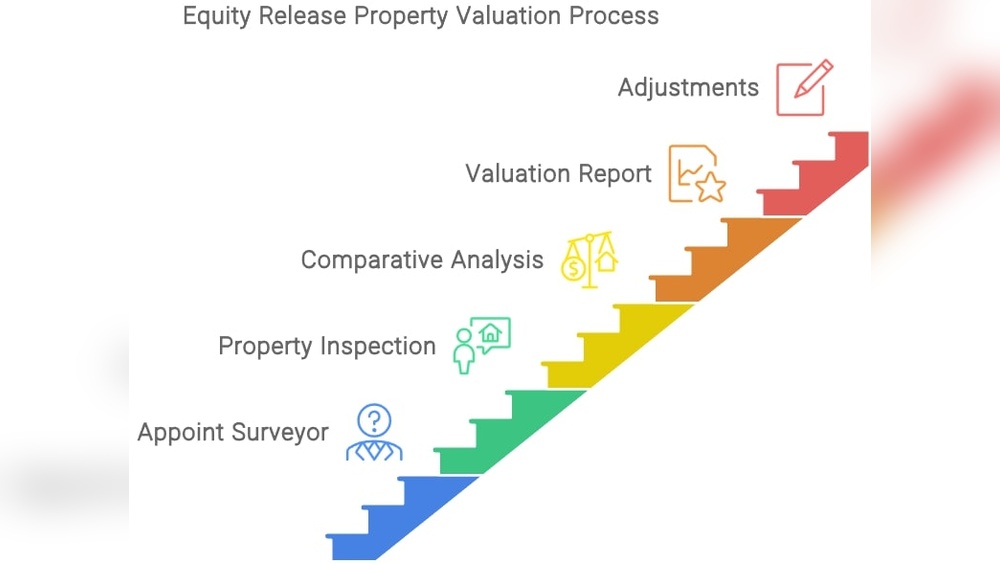
Are you thinking about unlocking the value of your home with equity release? Before you make any decisions, there’s an important step you need to understand: the equity release survey.
But what exactly do equity release surveyors look for when they inspect your property? Knowing this can help you prepare, avoid surprises, and make the process smoother. You’ll discover the key things surveyors focus on and why they matter to your equity release plan.
Keep reading to get the full picture and feel confident about your next move.
Role Of Equity Release Surveyors
Equity release surveyors play a key role in the equity release process. They assess the property to find its true value. Their work helps both homeowners and lenders make fair decisions. Accuracy and detail are very important in their reports.
Surveyors also check the condition of the property. They look for any problems that could affect its value. This helps to avoid surprises later in the equity release plan.
Purpose Of The Survey
The survey’s main purpose is to give a clear idea of the property’s worth. This value affects how much money a homeowner can get. Surveyors also check if the property meets legal rules. They ensure the home is safe and sound for the release plan.
The survey helps lenders decide if the property is a good risk. It protects both the borrower and the lender. The report guides the whole equity release agreement.
Types Of Surveys Conducted
Different surveys provide different details about the property. The most common survey is the Home Buyer Report. It gives a general idea of the property’s condition and value.
A full Building Survey is more detailed. It checks every part of the house carefully. This is useful for older or unusual homes. Surveyors may also do a valuation survey focused only on price. Each type serves a specific need in the equity release process.

Credit: www.gawcapital.com
Property Condition Assessment
Equity release surveyors perform a thorough property condition assessment. This check helps them understand the home’s current state. They note any problems that might affect the property’s value. The surveyor’s report supports the equity release process. It ensures a fair and safe loan amount based on the home’s condition.
Structural Integrity
Surveyors inspect the building’s main structure carefully. They check walls, foundations, and floors for cracks or damage. Signs of movement or subsidence get special attention. Strong, stable structures increase the property’s value. Weak structures can lower the equity release amount.
Roof And Exterior Evaluation
The roof gets a detailed check for missing tiles or leaks. Surveyors also look at gutters and downpipes. Exterior walls are examined for damp or decay. Well-maintained roofs and walls protect the house. Poor roof and exterior condition may cause costly repairs.
Internal Fixtures And Fittings
Surveyors review the condition of doors, windows, and floors inside. They check if heating and plumbing systems work well. Kitchens and bathrooms are also inspected for wear and tear. Good internal fixtures show the house is cared for. Damaged fittings might reduce the property’s worth.
Valuation Criteria
Equity release surveyors use clear rules to value a property. The valuation helps decide how much money a homeowner can get. It shows the home’s current worth in the market. Surveyors check many details to give a fair value. These details form the valuation criteria.
Market Value Determination
Surveyors assess the home’s market value with care. They examine the property’s condition and size. They note any repairs or updates needed. They consider the home’s style and age too. This helps set a realistic selling price. The goal is to find what a buyer would pay.
Impact Of Location
Location plays a big role in property value. Surveyors check the neighborhood’s safety and appeal. They look for nearby schools, shops, and transport links. A home near parks or good roads scores higher. Quiet streets often increase the property’s worth. Bad areas or noisy spots lower the value.
Recent Sales Comparisons
Surveyors study prices of similar homes sold nearby. These recent sales give clues about market trends. They compare size, condition, and location with the current property. If similar homes sold for less, the value drops. If they sold for more, the value rises. This step keeps the valuation fair and up-to-date.

Credit: www.radiotimes.com
Legal And Title Considerations
Legal and title considerations are key in equity release surveys. They ensure the property can be used for this financial product without issues. Surveyors check documents and records to confirm ownership and rights. They also find any legal limits or claims that affect the property.
Ownership Verification
Surveyors verify who legally owns the property. They review the title deeds and official records. This step confirms the person applying can release equity. It prevents problems with false or unclear ownership claims.
Planning Permissions And Restrictions
Surveyors check if the property has proper planning permissions. They look for any restrictions or rules on the land. Some properties have limits on changes or uses. These can affect the value and eligibility for equity release.
Existing Mortgages Or Charges
Surveyors identify any current mortgages or charges on the property. These debts must be settled or managed before equity release. Knowing this helps avoid legal conflicts and financial surprises.
Health And Safety Checks
Health and safety checks are key in an equity release survey. Surveyors make sure the property is safe and does not pose risks. They examine various aspects to protect homeowners and lenders. These checks help prevent accidents and costly repairs later.
Hazardous Materials
Surveyors search for dangerous materials like asbestos and lead paint. These can harm health if disturbed. They check walls, ceilings, and pipes carefully. If hazardous materials exist, the property may need special work to fix the problem.
Access And Egress
Clear paths to enter and exit the home are vital. Surveyors check doors, stairs, and hallways for easy movement. They want to see safe ways out during emergencies. Blocked or narrow access points cause safety concerns.
Fire Safety Measures
Fire alarms, smoke detectors, and fire escapes get close attention. Surveyors verify these systems are working well. Proper fire safety reduces risks for people living in the house. They look for fire doors and clear escape routes too.

Credit: www.seti.org
Report Preparation And Impact
Equity release surveyors create a detailed report after inspecting a property. This report is crucial for deciding the equity release amount. It covers the property’s condition, value, and any issues found during the survey. The report helps lenders understand the risks involved.
The surveyor’s findings can affect the whole process. A clear, thorough report speeds up approval. Problems noted in the report might lower the amount offered or stop the release altogether.
Content Of The Survey Report
The report lists the property’s age, structure, and materials used. It checks for damage, damp, or needed repairs. The surveyor notes any extensions or alterations. It includes photos and measurements for accuracy. The report also states the current market value of the home.
Influence On Equity Release Amount
Lenders use the report to decide the loan size. A strong, well-maintained property usually gets a higher offer. Repair needs or risks lower the property’s value. This reduces the equity release amount. Clear issues may require fixes before approval.
Common Reasons For Survey Rejection
Surveyors reject properties with serious structural problems. Severe damp or woodworm can cause refusal. Properties with unclear ownership or legal issues are also declined. Unusual property types might not qualify. Surveyors avoid risks that affect property value.
Frequently Asked Questions
What Factors Do Equity Release Surveyors Assess?
Equity release surveyors evaluate property condition, location, and market value. They check structural integrity and legal compliance. This ensures the property is suitable for releasing equity safely and accurately.
How Do Surveyors Determine Property Value For Equity Release?
Surveyors analyze recent sales, property size, and condition. They consider local market trends and unique features. This helps establish a fair market value for equity release calculations.
Why Is Property Condition Important In Equity Release Surveys?
Property condition affects the loan amount and approval. Surveyors look for damages, repairs needed, and overall maintenance. A well-maintained property increases the chance of a successful equity release.
Do Equity Release Surveyors Check Legal Ownership Documents?
Yes, surveyors verify ownership and title deeds to confirm legal rights. This prevents disputes and ensures the property can be used as security for the loan.
Conclusion
Equity release surveyors check many important details about your home. They focus on the property’s condition, size, and legal status. Their goal is to give a fair value for your home. Knowing what they look for helps you prepare better.
This can make the process smoother and faster. Being ready with the right information saves time and stress. Understanding their role makes you feel more confident. The survey is a key step in equity release. It helps protect both you and the lender.

