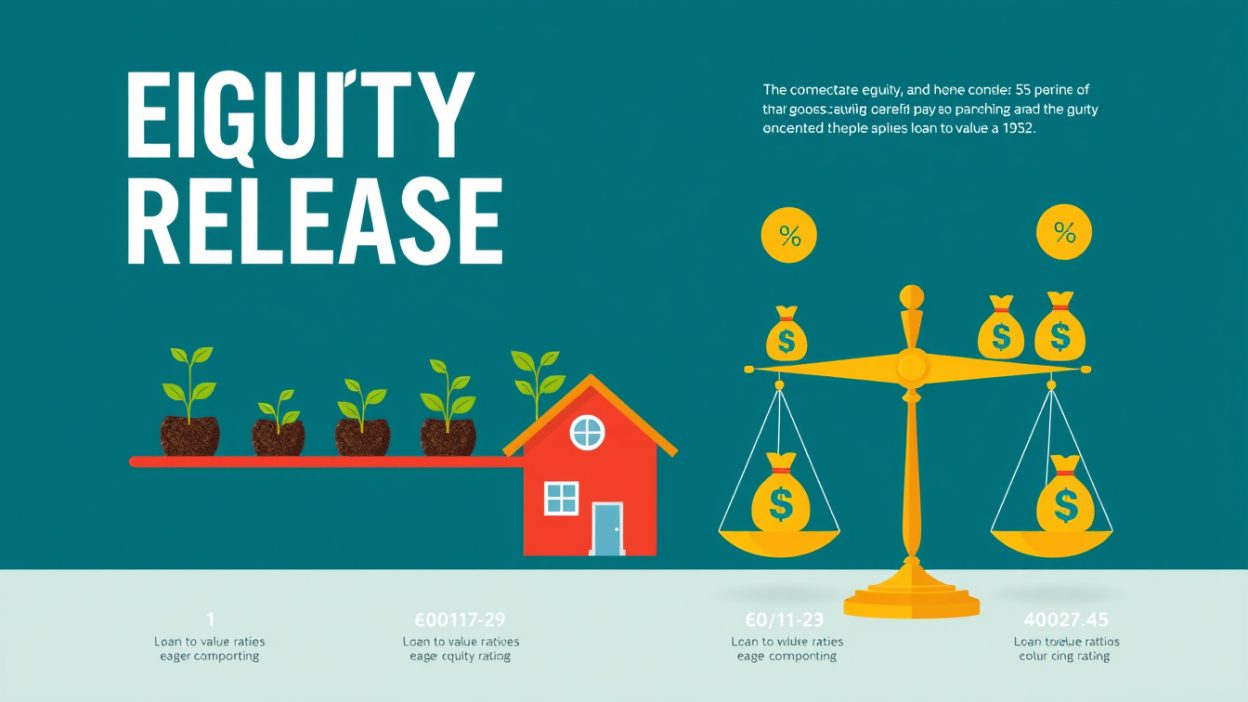
In today’s financial landscape, many homeowners are exploring ways to unlock the value of their properties without selling. One popular option is equity release, which allows individuals to access the cash tied up in their home. However, understanding the nuances of equity release, particularly the loan to value (LTV) ratio, is crucial for making informed decisions. In this article, we will dissect what equity release entails, explain LTV ratios, and provide tips to maximize your equity release, ensuring you make the most out of this financial strategy.

Key Takeaways
- Equity release allows homeowners to access cash tied up in their property.
- Loan to Value (LTV) ratios determine how much equity can be released based on property value.
- A higher LTV ratio often provides more equity, but can also come with higher costs.
- Factors like age, property type, and market conditions influence LTV ratios.
- Avoid common mistakes by thoroughly researching and understanding your equity release options.
What is Equity Release?
Equity release is a financial product designed to help homeowners, particularly those who are aged 55 and above, access the value tied up in their property without the need to sell their home. One of the critical aspects of equity release is the concept of loan-to-value (LTV), which refers to the ratio of the amount you wish to borrow against the current market value of your property. Typically, the higher the age of the homeowner and the lower the property value, the more generous the equity release loan-to-value ratios can be. This means that older homeowners might be able to release a larger percentage of their home’s value as equity. This financial solution provides an excellent opportunity for retirees to supplement their retirement income, fund home improvements, or manage unexpected expenses, all while continuing to live in the comfort of their own home.
Understanding Loan to Value (LTV) Ratios
When it comes to securing an equity release loan to value, understanding Loan to Value (LTV) ratios is crucial. LTV is a financial term used by lenders to assess the risk of a mortgage or loan. Essentially, it represents the ratio of the loan amount to the appraised value of the property. In the context of equity release, this ratio helps potential borrowers determine how much capital they can borrow against their home. For example, if your property is valued at £200,000 and you wish to release £100,000 in equity, your LTV would be 50%. Lenders typically have maximum LTV ratios they are willing to offer, which can vary based on the borrower’s age and the type of equity release plan chosen. A deeper understanding of LTV ratios enables homeowners to make informed decisions, ensuring they strike a balance between accessing capital and maintaining a sustainable loan commitment.
‘The most powerful thing you can do is to create a vision for your future that inspires you to act toward achieving it.’ – Oprah Winfrey

How LTV Ratios Impact Your Equity Release Options
Understanding how LTV ratios affect your equity release options is crucial when considering an equity release loan to value strategy. The loan to value (LTV) ratio represents the percentage of your property’s value that can be borrowed against in an equity release scheme. Lenders use this ratio to assess how much equity you can access, which directly influences the size of your equity release loan. Typically, the higher your property’s value, the more equity you can release. However, age and health can also play significant roles, as older homeowners may be able to secure higher LTV ratios due to a shorter life expectancy. Therefore, it’s essential to consult with a financial advisor who can help navigate the various options available based on your specific LTV, ensuring you make an informed decision that aligns with your long-term financial goals.
Factors Affecting Loan to Value Ratios
When considering an equity release loan to value ratio, several critical factors come into play that can significantly influence the amount of equity homeowners can access. Primarily, the age of the homeowner is crucial; older applicants typically benefit from higher loan to value ratios, as lenders perceive them as lower risk due to shorter life expectancy. The property value also plays a pivotal role; if the home is located in a desirable area with rising property prices, the loan to value ratio can be more favorable. Additionally, the type of equity release scheme chosen—whether a lifetime mortgage or a home reversion plan—can affect the terms and conditions associated with the loan to value ratio. Lenders also evaluate the overall condition of the property, ensuring it is well-maintained and appealing, which can enhance its market value and directly impact the equity release loan to value potential. Understanding these factors is vital for homeowners looking to maximize their financial options through equity release.