Thinking about unlocking the value of your home but unsure if equity release is right for you? You’re not alone.
Many homeowners in the UK consider equity release as a way to boost their finances, but it’s important to understand both the benefits and the risks before making a decision. You’ll discover the key pros and cons of equity release, helping you weigh up whether it fits your needs and goals.
Keep reading to find out how this option could impact your future and what to watch out for.

Credit: everyinvestor.co.uk
What Is Equity Release
Equity release is a way to get money from your home while living in it. It lets homeowners aged 55 or older access cash tied up in their property. This cash can help with expenses like home repairs, debts, or daily costs.
You do not have to sell your home or move out. You keep living in your home until you die or move to long-term care. The loan is paid back later, usually from your estate.
Types Of Equity Release
Two main types exist in the UK: lifetime mortgages and home reversion plans. Lifetime mortgages let you borrow money against your home’s value. You keep ownership of your home. Interest builds up over time and is paid back after your death or move.
Home reversion plans involve selling part or all of your home to a provider. You get a lump sum or regular payments. You keep the right to live in your home rent-free or at a low cost. The provider owns the home share and benefits from its future sale value.
Eligibility Criteria In The Uk
You must be 55 or older to apply for equity release. The home should be your main residence. It must meet certain conditions, such as being in good condition and of a certain value. Lenders often require the property value to be above £70,000.
You need to own the home fully or have a large share. Some lenders may have health or lifestyle checks. Equity release is not suitable for everyone. Getting advice from a qualified professional is important before applying.

Credit: www.sunlife.co.uk
Benefits For Homeowners
Equity release offers clear benefits for homeowners in the UK. It lets people use the value of their home without selling it. Many older adults find this useful to support their needs. The process can improve financial comfort during retirement.
Understanding these benefits helps in deciding if equity release is right. Homeowners can see how it affects their money and lifestyle.
Accessing Cash Without Moving
Equity release allows cash withdrawal while staying in the home. No need to sell or move out. This helps people keep their familiar surroundings. It reduces stress linked to relocating in later years. The money can cover expenses or emergencies easily.
Flexibility In Use Of Funds
Homeowners can use the funds for any purpose. Home improvements, paying debts, or holidays are common uses. There are no strict rules on spending. This freedom suits many financial goals. It supports a more comfortable and secure lifestyle.
Impact On Retirement Lifestyle
Equity release can boost retirement quality. Extra funds help with daily costs or unexpected bills. It can reduce money worries and provide peace of mind. Some use it to support family or hobbies. It offers financial help without changing living arrangements.
Potential Drawbacks
Equity release can help access money from your home. Still, it has some drawbacks to consider. These issues may affect your finances and family plans. Knowing them helps you decide if equity release fits your needs.
Effect On Inheritance
Equity release reduces the value of your home. This means less money will pass to your heirs. Your family may receive a smaller inheritance than expected. It is important to discuss this with your loved ones.
Interest And Costs Involved
Interest on equity release can grow quickly. The longer you keep the plan, the more you pay. Some plans have high setup fees too. These costs can reduce the amount left for your family.
Impact On Benefits And Taxes
Equity release may affect your benefits. It could reduce or stop some payments like pension credits. Tax rules can change depending on your situation. Check carefully to avoid surprises with taxes or benefits.

Credit: everyinvestor.co.uk
Choosing The Right Plan
Choosing the right equity release plan is important. It affects your finances and how you live in your home. Understanding the main options helps you make a clear choice. Each plan has its own benefits and drawbacks. Knowing these can guide you to the best fit for your needs.
Comparing Lifetime Mortgages And Home Reversion
Lifetime mortgages let you borrow money using your home as security. You keep full ownership of your home. Interest builds up over time but you do not pay monthly. The loan and interest get repaid when you die or move out.
Home reversion means selling part or all of your home. You get a lump sum or regular payments in return. You can stay in your home rent-free or pay a small rent. When you sell or move, the buyer gets their share of the home’s value.
Lifetime mortgages suit those wanting to keep full control of their home. Home reversion suits those who want a guaranteed cash sum without monthly payments.
Key Features To Consider
Interest rates affect how much you owe in the end. Choose a plan with a clear, fair rate. Look at fees and charges. They can add up and reduce your cash.
Check if the plan allows you to repay early. Early repayment charges can be costly. Find out about inheritance protection. Some plans protect a part of your home’s value for heirs.
Consider how the plan affects your benefits. Some plans may reduce your pension or other benefits. Think about your future health and living needs. The right plan supports your lifestyle over time.
Legal And Financial Safeguards
Equity release offers a way to access money tied up in your home. This financial step involves rules and protections. Legal and financial safeguards help keep consumers safe. They ensure clear terms and prevent unfair practices. Understanding these safeguards is key to making informed decisions.
Regulations Protecting Consumers
The UK has strict laws to protect equity release users. The Financial Conduct Authority (FCA) sets rules for providers. These rules demand clear information about costs and risks. Providers must explain how equity release affects your home. They must also offer a 14-day cooling-off period. This lets you change your mind without penalty. These regulations help stop scams and unfair deals.
Role Of Independent Advice
Getting independent advice is important before signing any deal. Advisors must be qualified and impartial. They explain product details and possible risks. Advisors help you compare different options clearly. They check if equity release suits your financial needs. This advice reduces the chance of future problems. It gives peace of mind that you understand the deal.
Common Myths Debunked
Equity release has many myths that confuse people. These myths can stop homeowners from choosing this option. It is important to clear up these wrong ideas. Knowing the facts helps you make better choices. Below are two common myths explained clearly.
Misconceptions About Ownership
Many think equity release means losing their home. This is not true. You keep full ownership of your property. You only borrow money against its value. You can live in your home until you pass away or move permanently. The lender cannot take your home before then.
Concerns Over Debt Accumulation
Some worry that debt grows too fast with equity release. The debt does increase over time because of interest. But it does not affect your day-to-day life. You do not make monthly payments. The debt is only paid back after you die or move out. This makes it easier to manage than other loans.
Alternatives To Equity Release
Equity release is a popular way for older homeowners in the UK to access cash from their property. Still, it may not suit everyone. Some people want other options that fit their needs better. Alternatives to equity release can offer different benefits and risks. Understanding these choices helps make the right decision for your situation.
Downsizing Options
Moving to a smaller home is a common alternative. It frees up money by selling a larger property. The cash from selling can cover living costs or other expenses.
Smaller homes often cost less to maintain. This can save money on bills and repairs. Downsizing also means less space, which may not suit all families. Think about your lifestyle and needs before deciding.
Other Financial Products
Some financial products help access money without using equity release. Personal loans, for example, can provide a lump sum. These loans usually need regular repayments.
An arranged overdraft or credit card can offer short-term funds. Interest rates can be high, so manage these carefully. Another option is a lifetime mortgage, similar to equity release but with different terms.
Speak with a financial advisor to explore all financial products. They can help find the best fit for your budget and goals.
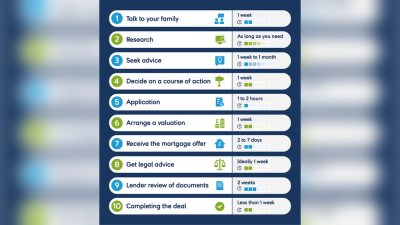
Steps To Apply
Applying for equity release in the UK involves clear steps. Understanding these steps helps you prepare and avoid delays. The process requires careful assessment and proper paperwork. Knowing what to expect can make the journey smoother.
Assessment Process
The first step is the assessment process. A specialist checks your financial situation and property value. They explain how equity release works and its risks. This helps you decide if it fits your needs. You may also need advice from an independent financial advisor. This ensures you make a well-informed decision.
Documentation Needed
You must provide important documents. Proof of identity like a passport or driving license is required. You also need property documents such as the title deed. Recent mortgage statements or proof of income might be necessary. Having these ready speeds up the application. Missing papers can cause delays or rejections.
Frequently Asked Questions
What Is Equity Release In The Uk?
Equity release lets homeowners unlock cash from their property’s value. It’s popular for retirees needing extra income without moving home. The money is tax-free and repaid when the property is sold or the owner passes away.
What Are The Main Benefits Of Equity Release?
Equity release provides lump sums or regular income without monthly repayments. It helps fund retirement, home improvements, or debt consolidation. It allows you to stay in your home while accessing its value.
What Are The Risks Of Equity Release?
Equity release can reduce inheritance left to heirs. Interest can accumulate, increasing the debt over time. It may affect eligibility for some benefits and limit future financial options.
Who Is Eligible For Equity Release In The Uk?
You must be 55 or older and own a home with sufficient value. Lenders assess property type and location. Some health and age factors may influence loan amounts.
Conclusion
Equity release in the UK offers extra cash for older homeowners. It can help with bills or home improvements. But it also reduces the money left for your family. Interest can grow over time, increasing the debt. Think carefully about your needs and future plans.
Speak to a trusted advisor before deciding. This choice affects your financial future and your loved ones. Balance the benefits and risks to make the best decision.