Are you thinking about unlocking the value of your home but wondering how long equity release takes in the UK? You’re not alone.
Knowing the timeframe can help you plan better and avoid surprises. Whether you want extra cash for home improvements, debt, or simply to enjoy life more, understanding the process duration is key. You’ll discover exactly what affects the timing and how to speed things up, so you can get the funds you need without unnecessary delays.
Keep reading to find out everything you need to know about how long equity release really takes.
Equity Release Basics
Equity release lets older homeowners access cash from their property. It turns part of your home’s value into money. This can help with expenses or improving your lifestyle. Understanding the basics is important before starting the process.
Equity release involves different plans and rules. Knowing these helps you decide if it suits your needs. The process also depends on eligibility and the type you choose.
Types Of Equity Release
Two main types exist in the UK: lifetime mortgages and home reversion plans. Lifetime mortgages let you borrow money using your home as security. You keep ownership and repay when you die or move out. Home reversion plans sell part of your home to a provider. You get a lump sum or regular payments but lose some ownership. Each type works differently and fits different needs.
Eligibility Criteria In The Uk
You must be at least 55 years old to apply. The property must be your main home and in good condition. Lenders have a minimum value for your home, usually around £70,000. You cannot have another equity release plan on the same property. Providers assess your health and financial situation too. These rules protect you and the lender during the process.

Credit: www.youtube.com
Application Process Timeline
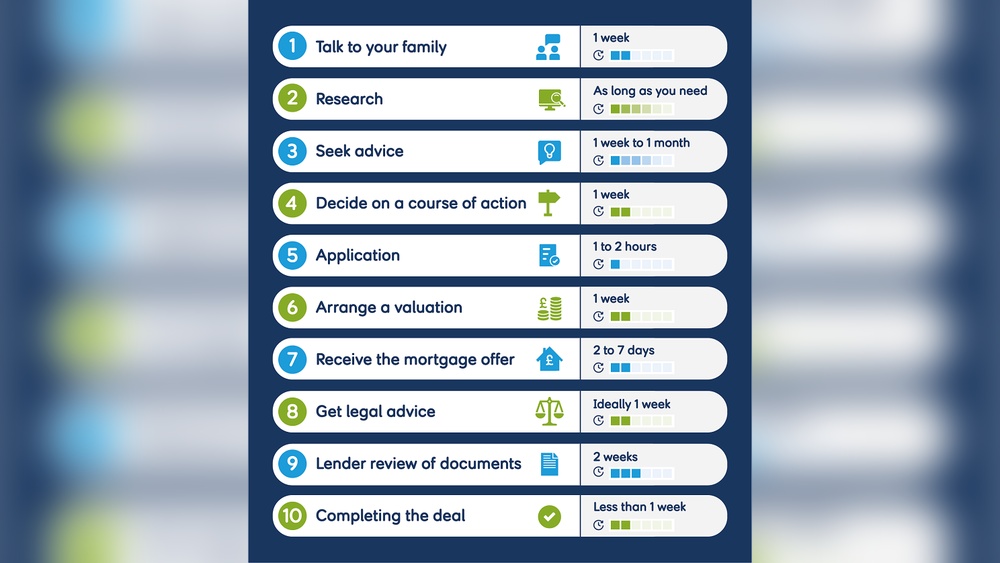
The application process for equity release in the UK involves several important steps. Each step takes time and careful attention. Knowing the timeline helps you plan better.
From the first enquiry to the final offer, the process moves through key stages. These include valuation, surveys, and legal checks. Understanding each part makes the process clearer.
Initial Enquiry To Offer
The process starts with your initial enquiry to a provider or adviser. You share your details and what you want from equity release. This stage may take 1 to 2 weeks.
The provider assesses your information and runs affordability checks. They then give you a formal offer. This offer outlines the loan amount and terms.
Valuation And Survey
After the offer, a surveyor visits your home to check its value. This valuation confirms how much equity you can release. The survey usually happens within 1 to 2 weeks after the offer.
The surveyor reports back to the provider. The report must support the loan amount. This step is vital to protect both you and the lender.
Legal Checks And Paperwork
Once the valuation is approved, legal work begins. A solicitor reviews all paperwork and explains the terms to you. This stage ensures everything follows UK law.
Legal checks and signing documents can take 2 to 4 weeks. After completion, funds are released, and the process ends.
Factors Affecting Speed
The time it takes to complete equity release in the UK can vary greatly. Several factors influence how fast or slow the process moves. Understanding these helps manage expectations and plan better.
Property Complexity
Simple properties speed up the process. If your home has unusual features, delays may occur. Older homes or those with unclear ownership records need more checks. Surveyors must assess property value carefully, which can take extra time.
Lender Requirements
Different lenders have different rules. Some require more paperwork and checks than others. The lender’s approval process can add days or weeks. They also check your financial situation and the property condition. Fast lenders usually have more streamlined steps.
Customer Responsiveness
Your quick replies help speed up the process. Delays happen if documents or information are missing. Answering lender questions fast keeps things moving. Scheduling surveys and legal work early also helps. Staying active in communication reduces waiting times.

Credit: www.youtube.com
Ways To Speed Up The Process
Speeding up the equity release process in the UK saves time and stress. Simple steps help move things faster. Planning ahead and choosing wisely makes a big difference.
Choosing The Right Provider
Select a provider known for fast service and clear communication. Some companies handle applications quicker than others. Check reviews and ask about average processing times. A reliable provider avoids delays and keeps you informed.
Preparing Documents In Advance
Gather all needed documents before applying. Proof of identity, property details, and financial papers are key. Having these ready helps avoid pauses. Double-check papers for accuracy and completeness.
Using Specialist Advisers
Specialist advisers know the equity release process well. They guide you through each step and answer questions. Their experience helps prevent mistakes that cause delays. Advisers also speed up paperwork and communication with providers.
Typical Waiting Times
Understanding typical waiting times for equity release is important. It helps you plan finances and set expectations. Times vary depending on the product and process steps.
Knowing what affects waiting times can reduce stress. Some delays happen often. Being aware helps you prepare better.
Average Timeframes For Different Products
Lifetime mortgages usually take 4 to 6 weeks to complete. The process includes valuation, legal checks, and approvals. Home reversion plans often take longer, around 6 to 8 weeks. They need extra legal paperwork and checks. Drawdown lifetime mortgages can be quicker if funds are taken in stages. Each stage still needs approval, which adds time.
Unexpected Delays To Watch For
Valuation issues can cause delays. If the property needs repairs, this slows the process. Legal checks often take longer if the paperwork is complex. Delays in sending documents between parties add extra days. Waiting for your mortgage adviser or solicitor to respond also affects timing. Unexpected delays can extend the process by weeks.
Alternatives For Fast Cash
Need cash quickly but equity release takes too long? There are other ways to get money fast in the UK. Some choices suit different needs and situations. These options can help you access funds without waiting weeks or months. Understanding each alternative helps you pick what works best for you.
Personal Loans
Personal loans offer money fast, usually within a few days. You borrow a fixed amount and repay it with interest over time. Lenders check your credit score before approval. The process is simpler than equity release. Use personal loans for emergencies or planned expenses.
Remortgaging Options
Remortgaging means switching your mortgage to a new deal. This can free up some cash by borrowing more against your home. It takes less time than equity release but still needs approval. Check if fees or penalties apply first. Remortgaging suits those with good credit and stable income.
Downsizing
Downsizing means selling your current home and buying a smaller one. This can release a large sum of money quickly. The sale and purchase process usually takes a few months. Downsizing cuts your living costs too. It works well if you want to reduce home expenses and gain cash fast.

Credit: everyinvestor.co.uk
Frequently Asked Questions
How Long Does The Equity Release Process Take In The Uk?
Equity release in the UK typically takes 6 to 8 weeks from application to completion. This varies due to property valuations, legal checks, and lender requirements. Delays can occur if additional information or surveys are needed. Early preparation can help speed up the process.
What Factors Affect Equity Release Timing In The Uk?
Key factors include property valuation, legal checks, lender approval, and paperwork completion. Delays happen if the property has complex ownership or legal issues. The type of equity release plan chosen also impacts timing. Efficient communication with solicitors and lenders helps ensure a smoother process.
Can Equity Release Be Completed Faster In The Uk?
Yes, it can be faster with pre-prepared documents and quick valuations. Choosing a reputable lender and solicitor who specialize in equity release can reduce delays. However, rushing may lead to missed details, so balance speed with thoroughness for best results.
When Can I Access Funds After Equity Release Completion?
Funds are usually available immediately after the legal process completes. Most lenders transfer money within 24 to 48 hours of completion. Early access depends on the lender’s efficiency and your solicitor’s promptness in finalizing paperwork.
Conclusion
Equity release in the UK usually takes a few weeks to complete. The process depends on the type of plan and paperwork speed. Getting advice from a professional can help things move faster. Take time to understand all steps before you decide.
This avoids surprises and makes the process smooth. Remember, patience is key for a successful equity release. Planning well helps you get the best outcome for your needs.

