Are you wondering when the best time is to take equity release? Deciding the right age can make a big difference to your financial future and peace of mind.
You want to make sure you get the most value from your home while keeping your options open. This article will guide you through the key factors that affect the best age to consider equity release. By the end, you’ll feel more confident about the timing that suits your needs and lifestyle.
Keep reading to discover how to make your home work harder for you at just the right moment.
Ideal Age Range
Choosing the right age to take equity release is important. It affects how much money you can get and how long you have to pay it back. The ideal age range helps balance these factors. Knowing this range helps you plan better for your financial needs.
Common Starting Ages
Many people start equity release around 55 to 65 years old. This is when they own their home and have fewer financial responsibilities. Starting too early can reduce the amount of money available. Waiting too long might limit your options or reduce benefits.
Age Limits By Providers
Providers set minimum and maximum ages for equity release. Usually, the minimum age is 55 or 60. Some providers set a maximum age around 85 or 90. These limits protect both the borrower and the lender. Checking each provider’s rules helps find the best fit for you.
:max_bytes(150000):strip_icc()/homeequityloan-e11896bf4ac1475a9806a55f92e0c312.jpg)
Credit: www.investopedia.com
Factors Influencing Timing
Deciding the best age to take equity release depends on several key factors. These factors help you choose a time that suits your life and finances. Understanding these points can make the process smoother and more beneficial.
Health Considerations
Your health plays a big role in timing equity release. Lenders often check your health to set the right terms. Good health might mean better offers. Poor health could affect the amount you get. Think about your current and future health before deciding.
Property Value Impact
The value of your home affects how much money you can release. Higher property value means more funds available. Property markets change over time. Selling prices can go up or down. Watch the market trends and your home’s worth.
Financial Needs
Consider your money needs now and later. Equity release can cover bills, debts, or home improvements. Think about how much cash you need today. Also, plan for future expenses. Balance your needs with the costs of equity release.
Types Of Equity Release
Equity release offers ways to access money tied up in your home. It suits older homeowners wanting extra cash without moving. Two main types exist. Each works differently. Understanding them helps choose the right one.
Lifetime Mortgages
Lifetime mortgages let you borrow money using your home as security. You keep full ownership of your house. Interest builds up over time but does not need monthly payment. The loan and interest repay when you die or move out. This option keeps your home but reduces inheritance value.
Home Reversion Plans
Home reversion plans sell part or all of your home. You get a lump sum or regular payments. You can live in your home rent-free or pay a small rent. When the home sells, the buyer gets their share. This reduces your home ownership but provides cash upfront.
Benefits Of Early Release
Taking equity release earlier can bring many advantages. It offers more time to use the money wisely. Early release can help ease financial pressures and improve your quality of life.
Accessing funds sooner allows better planning for future needs. It also reduces stress about money and opens up new opportunities. Using equity release early can support a more comfortable lifestyle.
Enhanced Financial Flexibility
Early equity release gives you more control over your finances. You can pay for home improvements or daily expenses without worry. This extra cash helps you handle unexpected costs easily.
Having flexible money can reduce reliance on loans or credit cards. It allows you to plan ahead and manage your budget better. Financial freedom comes with fewer restrictions on spending.
Debt Consolidation
Using early equity release to clear debts can improve your finances. Paying off high-interest debts lowers monthly payments and stress. It can help you avoid late fees and reduce overall debt faster.
Consolidating debts simplifies your finances with one manageable payment. This approach frees up more money for saving or other needs. Reducing debt early supports a healthier financial future.
Risks Of Late Release
Taking equity release too late can bring several risks. These risks affect the money you get and your family’s future. Understanding them helps you make better choices.
Reduced Equity Options
Waiting too long often means less money available. Property values might not grow as much as expected. Loan interest grows over time, reducing the amount you can release. Lenders may offer fewer plans for older borrowers. This limits your flexibility and choices.
Impact On Inheritance
Delaying equity release can lower the inheritance left behind. Interest builds up, shrinking the property’s value. The money owed may take most of the home’s worth. Family members might receive less or nothing at all. Early planning helps protect your family’s future.

Credit: mortgageadviser.directory
Expert Tips For Decision Making
Deciding the best age to take equity release requires careful thought. Many factors affect this choice. Expert tips help you make a smart decision. Understanding these tips can save money and avoid problems.
Seeking Professional Advice
Always talk to a qualified financial advisor. They know the rules and risks well. Advisors can explain how equity release affects your finances. They also help you choose the right plan. Never rely on salespeople alone. Professional advice gives clarity and safety.
Comparing Offers
Check different equity release plans carefully. Each offer has different costs and benefits. Look at interest rates and fees. Compare how much money you can get. See if there are any penalties or extra charges. Comparing helps find the best deal for your needs.
Understanding Terms And Conditions
Read all terms and conditions with attention. Know what happens if house prices change. Understand what happens if you move or pass away. Check if you can pay back early without penalty. Clear knowledge avoids surprises later. Always ask questions if anything is unclear.
Credit: www.tembomoney.com
Frequently Asked Questions
What Is The Ideal Age To Consider Equity Release?
The ideal age to consider equity release is usually 55 or older. This is when most providers allow plans. Age affects loan size and interest rates. It’s important to assess your financial needs and long-term plans before proceeding.
How Does Age Affect Equity Release Amounts?
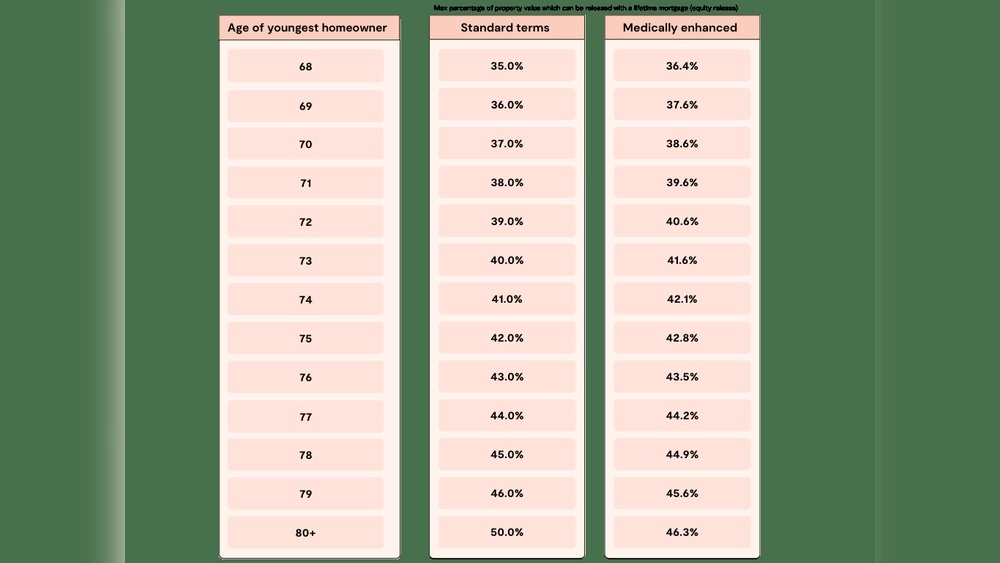
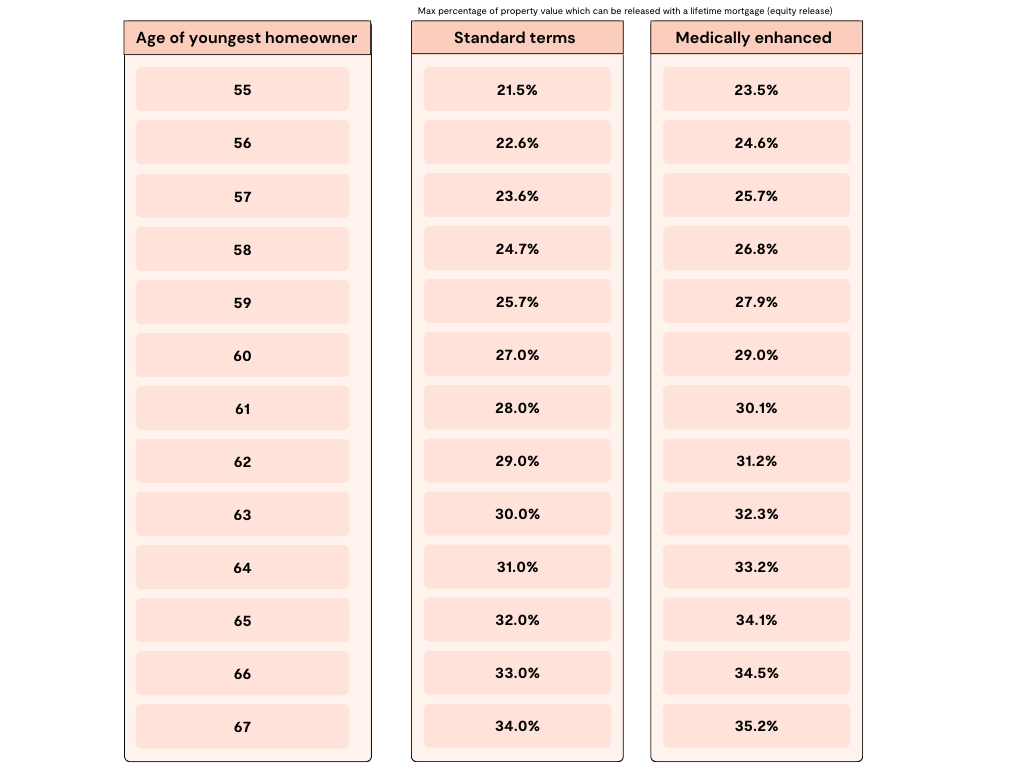
Older borrowers typically qualify for larger equity release amounts. This is because life expectancy influences the loan term. Lenders consider age to calculate interest and repayment schedules. Knowing your age helps estimate how much you can release.
Can You Take Equity Release Before Retirement Age?
Yes, you can take equity release from age 55, even before retirement. However, it may impact your pension and benefits. Planning ahead is essential to avoid financial strain. Consulting a specialist can help assess if it’s suitable for you.
Does Equity Release Impact Inheritance For Heirs?
Equity release reduces the property’s value, affecting inheritance. The loan plus interest is repaid after you pass away. This lowers the amount left to heirs. It’s important to discuss plans with family to manage expectations.
Conclusion
Choosing the best age for equity release depends on personal needs and goals. Most people start thinking about it after 55 years old. Waiting longer can mean more money, but less time to use it. Early planning helps you avoid surprises and manage costs.
Talk with a trusted advisor to find what fits your life. Think about your family, health, and future plans. Equity release is a big decision. Take your time and choose wisely for peace of mind.