Are you thinking about using equity release but unsure when you’ll need to pay it back? Understanding the timing of repayments is crucial before making any decisions.
Knowing exactly when and how you repay can help you avoid surprises and plan your finances with confidence. This guide will clear up the mystery and give you clear answers so you can make smart choices about your home and money.
Keep reading to find out everything you need to know about paying back equity release.
Equity Release Basics
Equity release lets homeowners access money tied up in their property. It helps older people use their home’s value without selling it. Understanding the basics is important before choosing this option.
This section explains the main types of equity release and how it works. This knowledge helps make clear decisions about paying back equity release.
Types Of Equity Release
There are two main types of equity release: lifetime mortgages and home reversion plans. A lifetime mortgage lets you borrow money against your home. You keep ownership and pay back the loan plus interest later.
A home reversion plan means selling part or all of your home to a company. You live there rent-free or pay a low rent. The company owns a share and receives payment when you sell.
How Equity Release Works
You get a lump sum or regular payments from your home’s value. The money is tax-free and can help with expenses or lifestyle. The loan and interest build up over time and are paid back after death or moving into care.
No monthly repayments are needed during your lifetime. The debt grows but does not exceed your home’s value when sold. The sale pays off the loan, interest, and fees, with any leftover going to your family.
:max_bytes(150000):strip_icc()/homeequityloan-e11896bf4ac1475a9806a55f92e0c312.jpg)
Credit: www.investopedia.com
Repayment Timing
Repayment timing is a key part of equity release. It tells you when you must pay back the money borrowed against your home. Understanding this helps you plan your finances better. The main moments to repay equity release are linked to major life events.
At Sale Of Property
Equity release usually must be repaid when you sell your home. The money borrowed, plus any interest, comes out of the sale price. This means the loan is cleared before you get the rest of the money. It is important to plan for this if you want to move.
On Moving Into Care
If you move into a care home permanently, repayment may be due. The property is often sold to repay the equity release. This helps cover the cost of your care. Speak to your provider to understand the exact rules.
Upon Death
After your death, the equity release loan must be repaid. Usually, your home is sold by your family or estate. The debt is cleared from the sale proceeds. Any remaining money goes to your heirs or beneficiaries.
Repayment Methods
Equity release lets homeowners access money from their property. Knowing how and when to repay is important. There are several repayment methods. Each method affects your finances differently. Understanding these helps you plan better.
Lump Sum Repayment
This method means paying back all the money at once. You repay the original amount plus any interest. Usually done if you sell the home or have savings. It clears the debt quickly. No more charges after full repayment.
Automatic Repayment From Sale
Most equity release plans repay automatically when you sell your home. The sale price pays off the loan and interest. Any leftover money goes to you or your family. This method needs no action from you. Simple and stress-free for most homeowners.
Interest Roll-up Explained
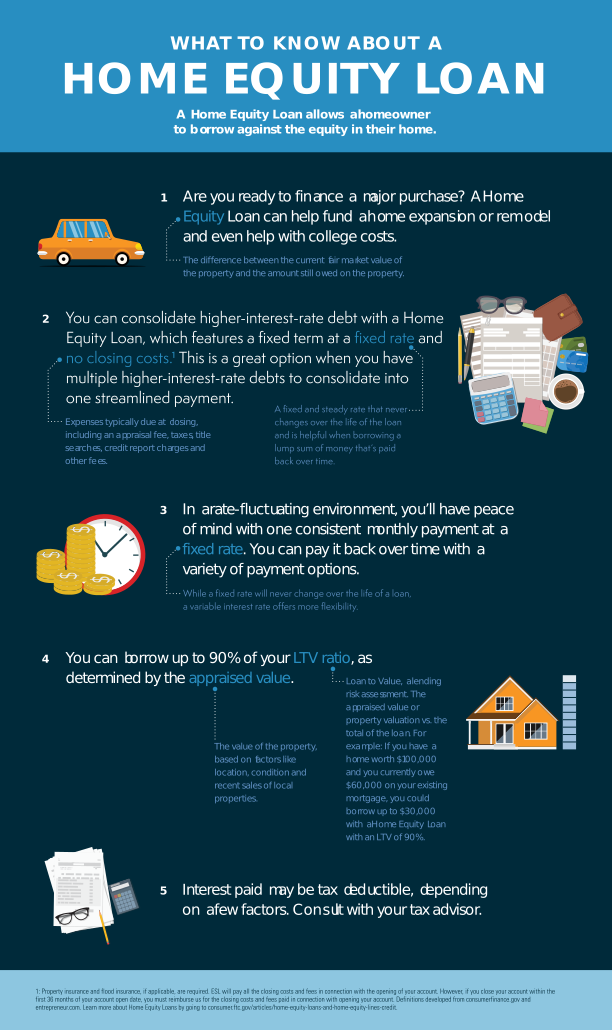
Interest roll-up means interest adds to the loan over time. You don’t pay monthly interest. Instead, interest builds up and increases your total debt. This grows until you sell your home or repay. The longer you wait, the higher the amount owed.
Credit: www.esl.org
Factors Affecting Repayment
Paying back equity release depends on several important factors. These can change how much you owe and when you need to pay it. Understanding these factors helps you plan better. It also avoids surprises at the end of your loan.
Property Value Changes
The value of your home affects the amount to repay. If your property value rises, the repayment can increase. If it falls, the amount may go down. Lenders usually check your home’s value at the end. This value helps decide how much money you must pay back.
Interest Rate Impact
Interest rates influence the total amount owed over time. Higher rates make the debt grow faster. Lower rates slow down the increase in debt. Some equity release plans have fixed rates. Others have variable rates that can change during the loan.
Loan Term Variations
The length of your loan changes your repayment timeline. Shorter terms mean you pay back sooner. Longer terms allow more time but increase interest costs. The loan ends when you sell your home or pass away. Planning your term helps control how much you owe.
Expert Tips For Managing Repayment
Managing the repayment of equity release needs care and clear planning. It helps avoid surprises later and keeps your finances steady. Expert tips can guide you through this process with ease. Follow these simple steps to handle your repayment responsibly.
Planning Ahead
Start by knowing when you must repay the equity release. This usually happens when you sell your home or pass away. Set aside time to review your agreement regularly. Keep track of interest and how it affects the total amount. Planning helps you avoid stress and last-minute problems.
Seeking Financial Advice
Talk to a trusted financial advisor before making decisions. Advisors can explain the costs and options clearly. They help find the best way to manage repayments. Getting advice early can save money and protect your home. Choose someone experienced with equity release products.
Considering Alternatives
Explore other ways to raise money if repayment feels hard. Downsizing your home is one option. You might also use savings or family help. Some people choose smaller equity releases to reduce debt. Weigh all choices carefully before deciding.

Credit: www.youtube.com
Common Pitfalls To Avoid
Equity release can help with cash needs later in life. It is important to know the risks. Many people make mistakes that cost them more money. Avoiding common pitfalls can save stress and extra fees. Understanding repayment details is key to using equity release well.
Delaying Repayment
Delaying repayment can increase the total amount owed. Interest keeps growing over time without payment. This can reduce the money left for your heirs. Planning repayment early helps control costs. Waiting too long often leads to bigger debts.
Ignoring Interest Accumulation
Interest adds up quickly on equity release loans. Missing this fact may surprise you later. The longer the loan stays unpaid, the larger the debt. Check how interest is calculated before agreeing. Keeping track of interest helps avoid unexpected bills.
Misunderstanding Terms
Not fully understanding the contract causes many problems. Some terms can be confusing or unclear. Know when repayment starts and how it works. Ask questions about fees and penalties. Clear knowledge stops mistakes and protects your money.
Frequently Asked Questions
When Is Equity Release Repayment Required?
Equity release repayment is usually required when the homeowner dies or moves into long-term care. It can also be paid back earlier if desired. The loan and accrued interest are repaid from the property’s sale proceeds, ensuring the borrower or their estate settles the debt.
Can I Repay Equity Release Early?
Yes, early repayment of equity release is possible, but it may incur early repayment charges. These fees vary by provider and plan. It’s important to check your agreement terms before repaying early to avoid unexpected costs and ensure financial planning aligns with your goals.
How Is Equity Release Repaid After Death?
After death, the equity release loan plus interest is repaid from the property’s sale. The remaining estate value passes to the inheritors. This process ensures the debt is cleared before distributing any inheritance, protecting both the lender and beneficiaries.
Does Moving House Affect Equity Release Repayment?
Yes, moving house usually triggers equity release repayment. Most plans require the loan to be repaid when the property is sold or if you move permanently. Always notify your provider if you plan to move to understand repayment obligations and possible fees.
Conclusion
Equity release repayment usually happens when you sell your home. You can also pay it back if you move into long-term care. The amount you owe grows over time, so plan ahead. Knowing when to repay helps avoid surprises later.
Talk to a trusted advisor before deciding. Careful planning makes the process easier and clearer. Remember, the right timing depends on your personal situation. Keep these points in mind for smart financial choices.