Are you looking for a smart way to unlock the value hidden in your home? A home equity loan might be the key you’ve been searching for.
It offers you access to cash using your home’s equity, often at lower interest rates than other loans. But what exactly are the advantages of a home equity loan, and how can it work in your favor? Keep reading to discover how this powerful financial tool can help you manage expenses, consolidate debt, or even fund a big project—while keeping your money matters simple and secure.

Credit: www.citizensbank.com
Benefits Of Home Equity Loans
Home equity loans offer several key benefits for homeowners. They provide a way to access cash using the value built in your home. This type of loan often has features that make borrowing easier and cheaper. Understanding these benefits can help you decide if a home equity loan fits your needs.
Below are some important advantages that make home equity loans a popular choice.
Lower Interest Rates Compared To Other Loans
Home equity loans usually have lower interest rates than credit cards or personal loans. This is because the loan is secured by your home. Lenders see less risk, so they offer better rates. Lower interest means you pay less money over time. This can save you a lot on borrowing costs.
Flexible Use Of Funds
You can use home equity loan money for many purposes. Home improvements, debt consolidation, education, or medical bills are common uses. There are no strict rules on how to spend it. This flexibility lets you handle important expenses with one loan. It gives you control over your finances.
Potential Tax Deductions
Interest paid on home equity loans may be tax deductible. This depends on how you use the loan funds. Using the loan for home improvements often qualifies for deductions. This can lower your taxable income. Always check current tax laws or ask a tax expert.
Longer Repayment Terms
Home equity loans usually come with longer repayment periods. This spreads out the payments over many years. Lower monthly payments make it easier to manage your budget. You avoid the pressure of quick repayments. This feature suits borrowers who want steady, affordable payments.
Credit: www.wvfcu.org
How Home Equity Loans Boost Financial Freedom
Home equity loans offer a way to use your home’s value for financial freedom. They let you borrow money based on the equity you have built in your house. This loan type can help manage money better and handle big expenses without stress.
Using a home equity loan wisely can open new doors. It can reduce debt costs, fund important projects, and even help improve your home’s value. The loan also supports building a strong credit history over time. Here are some key ways home equity loans boost financial freedom.
Debt Consolidation Opportunities
Home equity loans can combine several debts into one payment. This often lowers interest rates. Paying one bill each month is simpler. It cuts monthly expenses and helps manage debt better. This reduces financial pressure and frees up cash.
Funding Major Expenses
These loans provide funds for big costs like education or medical bills. They offer a lower interest rate than credit cards. Borrowers can cover large expenses without high fees. This keeps finances stable during tough times.
Investment In Home Improvements
Home equity loans fund repairs and upgrades. Improving your home can increase its market value. Better homes may sell faster and for more money. This loan turns your house into a better asset.
Building Credit History
Regular payments on a home equity loan build credit scores. A good credit history helps get loans with better terms. Paying on time shows responsibility to lenders. This opens chances for future borrowing at lower costs.
Qualifying For A Home Equity Loan
Qualifying for a home equity loan requires meeting several important criteria. Lenders want to be sure you can repay the loan. They check your credit score, the value of your home, and your income. Understanding these factors helps you prepare better for the application process.
Credit Score Requirements
Your credit score shows how well you manage debt. Most lenders want a score of 620 or higher. A higher score can get you better loan terms. Low scores might lead to higher interest rates or denial.
Home Equity Calculation
Home equity is the difference between your home’s value and what you owe. Lenders usually allow borrowing up to 80% of your equity. For example, if your home is worth $300,000 and you owe $200,000, your equity is $100,000. You can borrow a portion of that amount.
Income And Employment Verification
Lenders check your income to confirm your ability to pay. They ask for recent pay stubs, tax returns, or bank statements. Stable employment improves your chances of approval. Self-employed borrowers may need additional documents.
Risks And Considerations
Home equity loans offer many benefits, but they also carry risks. Understanding these risks helps you make smart choices. Consider what could happen if you cannot repay the loan or how the loan affects your home ownership. Interest rates also play a key role in your loan’s cost. Each point below explains important risks and things to think about before applying.
Risk Of Foreclosure
Failing to repay a home equity loan can lead to foreclosure. The lender can take your home to recover the money. This risk is higher if your income is unstable or you borrow too much. Always borrow only what you can pay back on time.
Impact On Home Ownership
A home equity loan adds debt to your mortgage. This means you owe more money on your home. Selling your house becomes harder if the loan balance is high. It also lowers the equity you have in your property, reducing your financial safety net.
Variable Vs Fixed Interest Rates
Home equity loans may have fixed or variable rates. Fixed rates stay the same, making payments predictable. Variable rates can change, causing monthly payments to rise. Choose a rate type that fits your budget and risk comfort. Understand how rate changes affect your loan costs.
Comparing Home Equity Loans To Other Financing Options
Choosing the right financing option can be tough. Home equity loans offer unique benefits compared to other choices. Understanding these differences helps you make smarter decisions. This section compares home equity loans with popular alternatives.
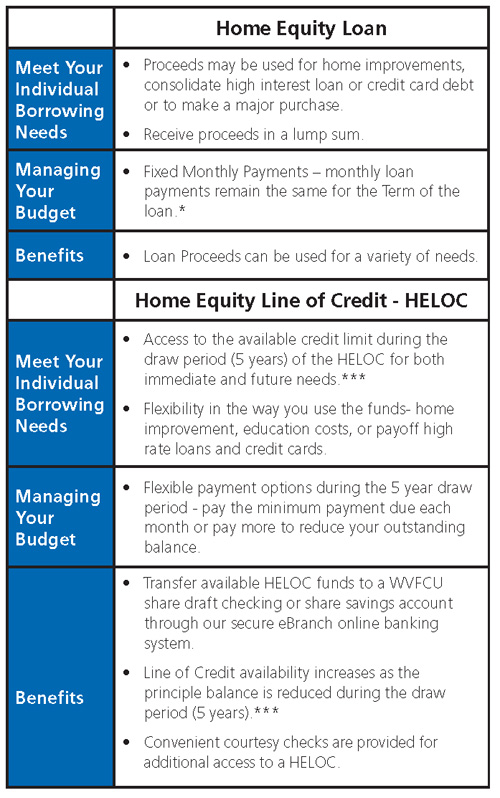
Home Equity Loan Vs Home Equity Line Of Credit
Home equity loans give a fixed amount of money upfront. You repay it with a fixed interest rate over time. This makes monthly payments predictable and easy to plan.
Home equity lines of credit (HELOCs) work like credit cards. You borrow as needed, up to a limit. Interest rates can change, so payments may vary each month. HELOCs offer flexibility but less payment certainty.
Personal Loans Vs Home Equity Loans
Personal loans do not require collateral. They usually have higher interest rates than home equity loans. This can make them more expensive over time.
Home equity loans use your home as security. This often results in lower interest rates. The trade-off is the risk of losing your home if you don’t repay.
Mortgage Refinancing Alternatives
Refinancing replaces your current mortgage with a new loan. It can lower your interest rate or change your loan term. Refinancing may involve higher fees and longer processing times.
Home equity loans provide cash without changing your main mortgage. This option can be faster and simpler. It keeps your original mortgage terms intact.

Credit: www.afcu.org
Frequently Asked Questions
What Are The Main Benefits Of A Home Equity Loan?
A home equity loan offers lower interest rates compared to credit cards. It provides a lump sum amount for major expenses. You can use it for home improvements, debt consolidation, or emergencies. The interest may be tax-deductible, making it cost-effective.
How Does A Home Equity Loan Improve Financial Flexibility?
A home equity loan gives access to funds using your home’s value. It allows predictable monthly payments with fixed interest rates. This loan helps manage large expenses without disturbing your cash flow. It offers a reliable way to leverage your home equity responsibly.
Can Home Equity Loans Help With Debt Consolidation?
Yes, home equity loans can consolidate high-interest debts. They offer lower interest rates than credit cards or personal loans. Consolidating debts reduces monthly payments and simplifies finances. This strategy can improve credit scores and reduce financial stress.
What Risks Are Associated With Home Equity Loans?
The main risk is losing your home if you default. Home equity loans use your house as collateral. Failure to repay can lead to foreclosure. Borrowers must ensure they can meet payments before applying.
Conclusion
Home equity loans offer many useful benefits for homeowners. They provide access to cash at lower interest rates. You can use this money for home repairs, education, or debt payments. These loans often have fixed rates, making budgeting easier. Borrowing against your home increases financial options.
It is important to borrow wisely and understand the terms. Overall, home equity loans can be a practical way to manage expenses. They give you control over your finances with clear repayment plans. Consider them carefully as part of your financial choices.