Are you wondering if you can access equity release while still paying off a mortgage? It’s a question many homeowners like you ask when looking for ways to unlock cash tied up in their property.
The good news is, it’s often possible—but there are important details you need to know first. Keep reading to discover how equity release works with a mortgage, what options you have, and how to make the best choice for your financial future.
This could be the key to giving you extra money without selling your home.
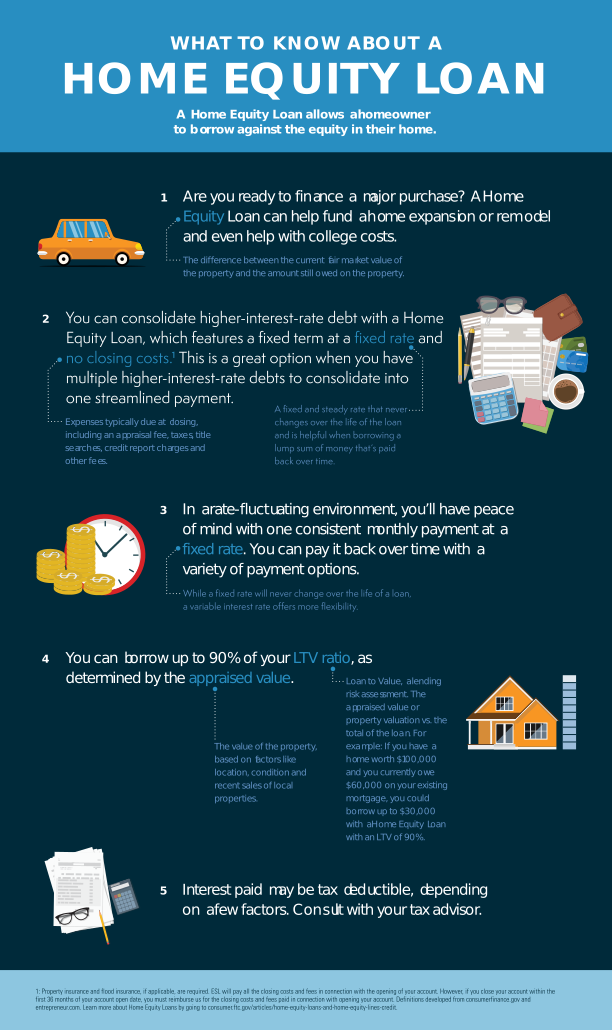
Credit: www.esl.org
Equity Release Basics
Equity release lets older homeowners access money tied up in their property. It offers financial support without selling the home. Understanding equity release basics helps you decide if it suits your needs. This guide explains key points clearly and simply.
Knowing what equity release is, the types available, and who can apply will prepare you better. These facts help you make smart choices about your home and finances.
What Is Equity Release?
Equity release means getting cash from your home’s value. You stay living in your house while using some of its worth. The money comes as a lump sum or regular payments. It is a way to improve your budget without moving.
Types Of Equity Release
Two main types exist: lifetime mortgage and home reversion. Lifetime mortgage means borrowing against your home value. You keep the ownership and pay interest. Home reversion means selling part of your home. You live there rent-free or pay low rent. Both types have different rules and costs.
Who Can Apply?
Usually, people aged 55 or older can apply. You need to own your home or have a mortgage. Some lenders allow equity release with an existing mortgage. The home must meet lender criteria. You should be clear on the rules before applying.
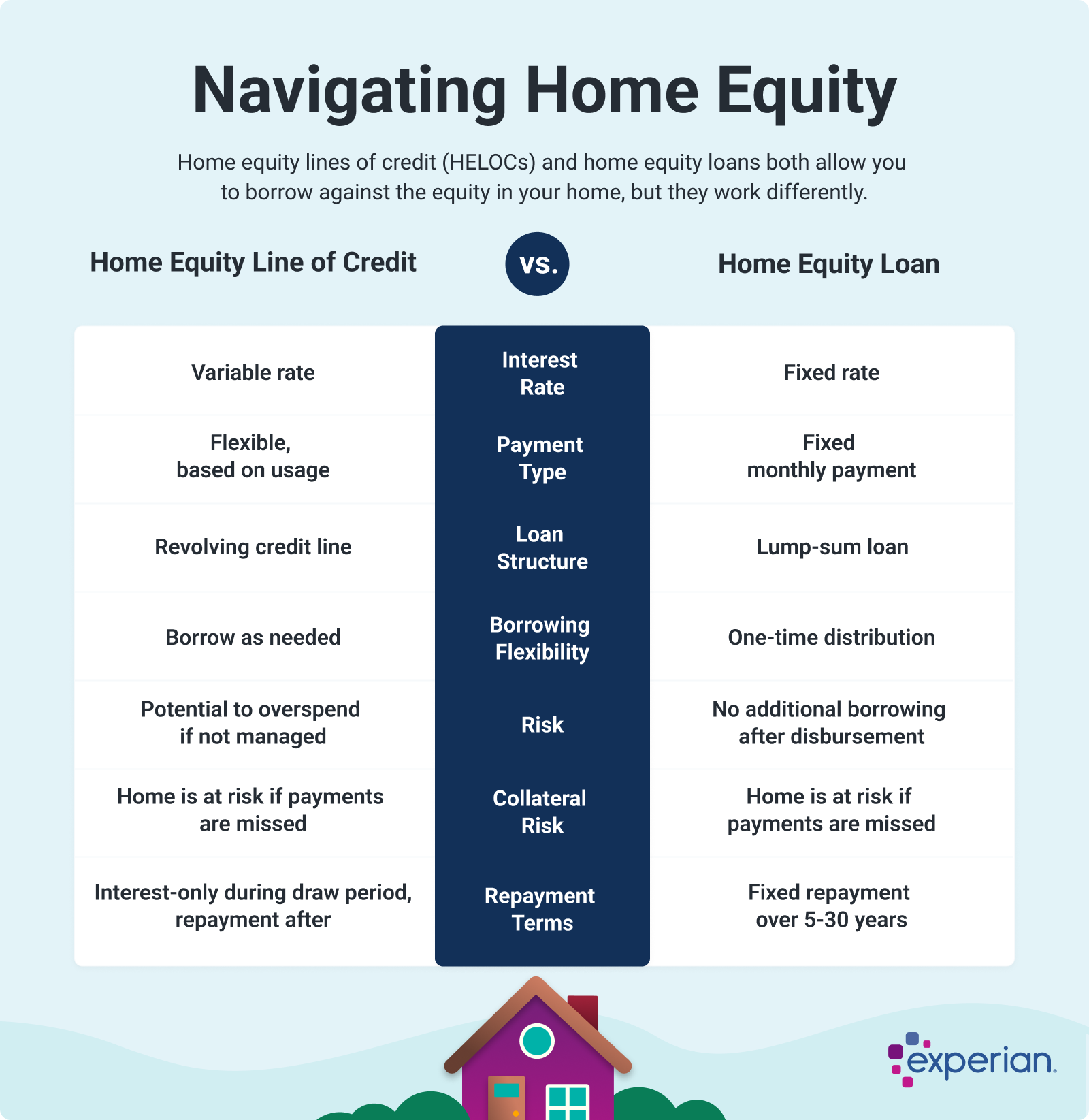
Credit: www.experian.com
Impact Of Existing Mortgages
Having an existing mortgage can affect your ability to do equity release. It changes how much money you can get and the process you need to follow. Understanding this impact helps you make better decisions about your home and finances.
How Mortgages Affect Equity Release
Equity release means using your home’s value to get cash. But a mortgage is a debt on your home. The lender wants their money back first. This lowers the amount available for equity release. Some equity release plans may not accept homes with mortgages. Others require paying off the mortgage first.
Checking Your Mortgage Terms
Mortgage agreements often have rules about early repayment. Some lenders charge fees if you pay off early. These fees can be costly and reduce the money you get. You must read your mortgage contract carefully. Contact your mortgage provider to understand any penalties. This helps avoid surprises during the equity release process.
Repaying Your Mortgage
You usually need to pay off the mortgage before equity release. The equity release lender will use some cash to clear this debt. After that, the remaining amount is yours. Sometimes, you can use equity release to repay the mortgage. This depends on how much equity you have in your home. Knowing this helps plan your finances clearly.
Combining Equity Release With A Mortgage
Combining equity release with a mortgage is possible but needs careful planning. Many homeowners wonder how these two financial products work together. Equity release lets you access some cash from your home. A mortgage is a loan you repay over time. Both affect your home’s value and your finances.
Options For Those With Mortgages
You can take equity release while having a mortgage. One common way is to use the money to pay off the mortgage first. Some plans allow you to keep the mortgage and release equity on the remaining value. Lenders may require you to repay part or all of your mortgage before releasing equity.
Using Equity Release To Clear Debt
Equity release can help clear debts, including mortgages. Paying off your mortgage with equity release reduces monthly payments. It also frees up cash flow for other needs. This option suits those who want to simplify finances or reduce stress from monthly bills.
Lender Requirements And Restrictions
Lenders have rules for combining equity release with a mortgage. Many require the mortgage to be under a certain amount. Some demand that the mortgage is repaid fully or in part before release. Age and property value also affect eligibility. Lenders check if you can afford payments and costs linked to equity release.
Financial Considerations
Understanding the financial side of equity release is very important. It helps you plan better and avoid surprises. This section explains key money matters to think about before deciding. The focus is on costs, inheritance, and taxes related to equity release with a mortgage.
Costs And Fees Involved
Equity release has several costs. These include arrangement fees and valuation charges. You may also pay legal fees to finalize the deal. Some plans have early repayment fees. These can add up and reduce your total funds.
Mortgage lenders must be paid off first. This can increase the amount you borrow. It also raises the interest you will owe. Planning these costs helps you avoid financial strain later.
Effect On Inheritance
Equity release lowers the value of your home. This means less money for your heirs. The loan and interest grow over time. This can reduce what you leave behind.
Talking with family about your plans is wise. This helps manage expectations and avoids surprises. Understanding this impact is key for good decisions.
Tax Implications
Most equity release schemes have no direct tax on the money. The funds are usually tax-free. But using the money can have tax effects. For example, income from investments bought with the cash may be taxable.
Always check how withdrawing money affects your benefits. Some state benefits depend on your income or savings. Getting advice from a tax expert is a smart step.
Choosing The Right Equity Release Plan
Choosing the right equity release plan is important. It affects your money and your home. You must understand the options before making a decision.
Each plan works differently. Your current mortgage can change what plan suits you best. Knowing the details helps you pick the right plan.
Lifetime Mortgage Vs Home Reversion
A lifetime mortgage lets you borrow money against your home. You keep full ownership. Interest builds up and is paid when you die or move.
Home reversion means selling part or all of your home. You live there rent-free. The buyer gets money when you die or move out.
Lifetime mortgages keep your home ownership. Home reversion reduces your share of the property.
Key Features To Compare
Look at interest rates and fees. These affect how much you owe later. Check if the plan has flexible repayment options.
Consider how the plan affects your mortgage. Some require the mortgage to be paid off first. Others allow you to keep it.
Think about inheritance. Some plans protect what you leave to family. Others may reduce your estate value.
Getting Professional Advice
Equity release is complex. A financial advisor can explain the details clearly. They compare plans based on your needs.
Advisors know the rules about mortgages and equity release. They help avoid mistakes that cost money.
Talk to a professional before making any decisions. It helps protect your home and money for the future.
Application Process
The application process for equity release with an existing mortgage involves clear steps. Each step ensures you meet requirements and understand your options. Knowing the process helps you move forward with confidence.
Eligibility Checks
The first step is checking your eligibility. Lenders review your age, property type, and mortgage status. They want to confirm you can repay or manage the new plan. This check helps avoid problems later in the process.
Valuation And Offers
Next, a surveyor values your home. This determines how much equity you have. The lender uses this to calculate your offer. Your mortgage balance will be considered in this calculation. The offer shows how much you can borrow safely.
Legal Requirements
Legal advice is essential. A solicitor reviews all documents and explains terms. They ensure your rights are protected during the deal. Signing only happens after full understanding. This step keeps the process fair and clear.

Credit: www.citizensbank.com
Frequently Asked Questions
Can I Get Equity Release With An Existing Mortgage?
Yes, you can do equity release if you have a mortgage. You must repay the outstanding mortgage first. Many providers allow this by using the release funds to clear your mortgage balance.
How Does Equity Release Affect My Mortgage Payments?
Equity release replaces your mortgage payments with a single loan repayment. You won’t make monthly mortgage payments after release. The loan, plus interest, is repaid when you sell or pass away.
Is Equity Release Suitable If I Still Owe Mortgage Money?
Equity release can be suitable if you owe mortgage money. You must clear the mortgage debt before releasing equity. Speak with a financial advisor to assess your best options.
Can I Keep My Mortgage And Do Equity Release Together?
Generally, you cannot keep both simultaneously. Equity release requires repaying your mortgage first. The loan from equity release covers your mortgage balance and provides additional funds.
Conclusion
Equity release with a mortgage is possible but needs careful thought. You must check your mortgage terms before deciding. Some lenders allow it; others do not. Talking to a financial advisor helps you understand your options. This step protects your home and finances.
Take your time to compare different plans. Choose what fits your needs best. Your home’s value and mortgage size affect the choice. Planning well leads to better financial peace of mind. Stay informed and make smart decisions for your future.

