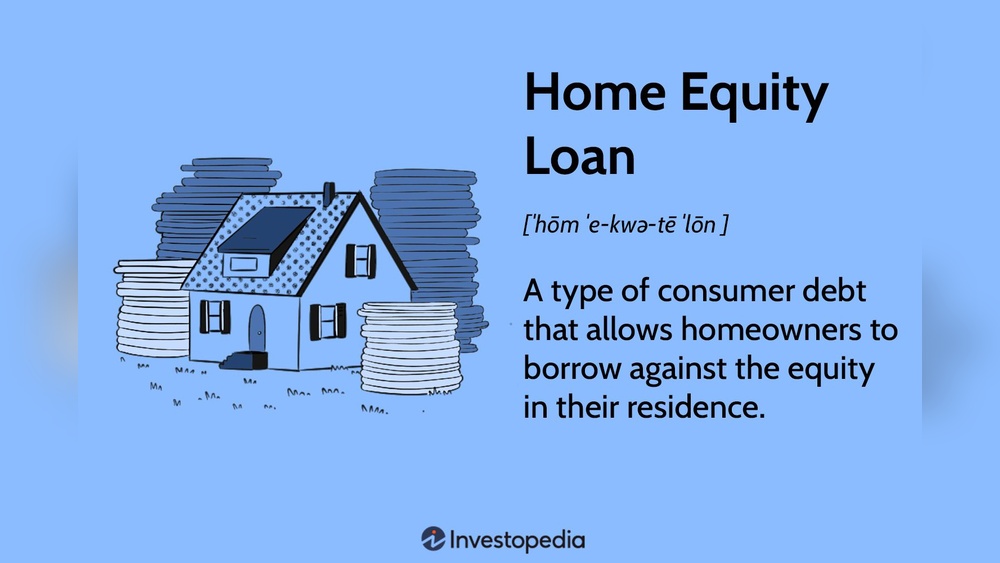
Are you thinking about using your home’s value to get some extra cash? A home equity loan might seem like an easy way to access money for big expenses, like repairs or debt consolidation.
But before you dive in, it’s natural to wonder: Is it really safe to get a home equity loan? This decision can affect your finances and your home’s future. Keep reading to discover the key things you need to know to protect yourself and make the best choice for your situation.

Credit: www.citizensbank.com
Home Equity Loans Basics
Home equity loans let you borrow money using your home’s value. This type of loan can help you pay for big expenses. Understanding how these loans work is important before applying.
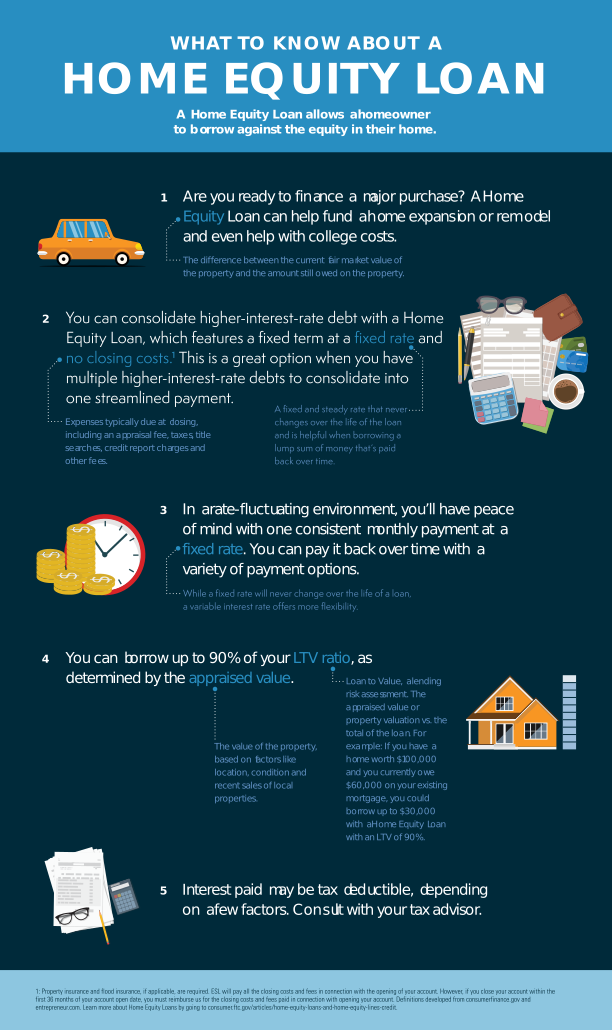
These loans use the difference between your home’s market value and what you owe. This amount is called home equity. You borrow a part of this equity as a lump sum. The loan has a fixed interest rate and set monthly payments.
How Home Equity Loans Work
You borrow a fixed amount based on your home equity. The lender checks your credit and income before approval. You repay the loan with fixed monthly payments over several years. Interest rates are usually lower than other loans. Your home acts as collateral for the loan.
Types Of Home Equity Loans
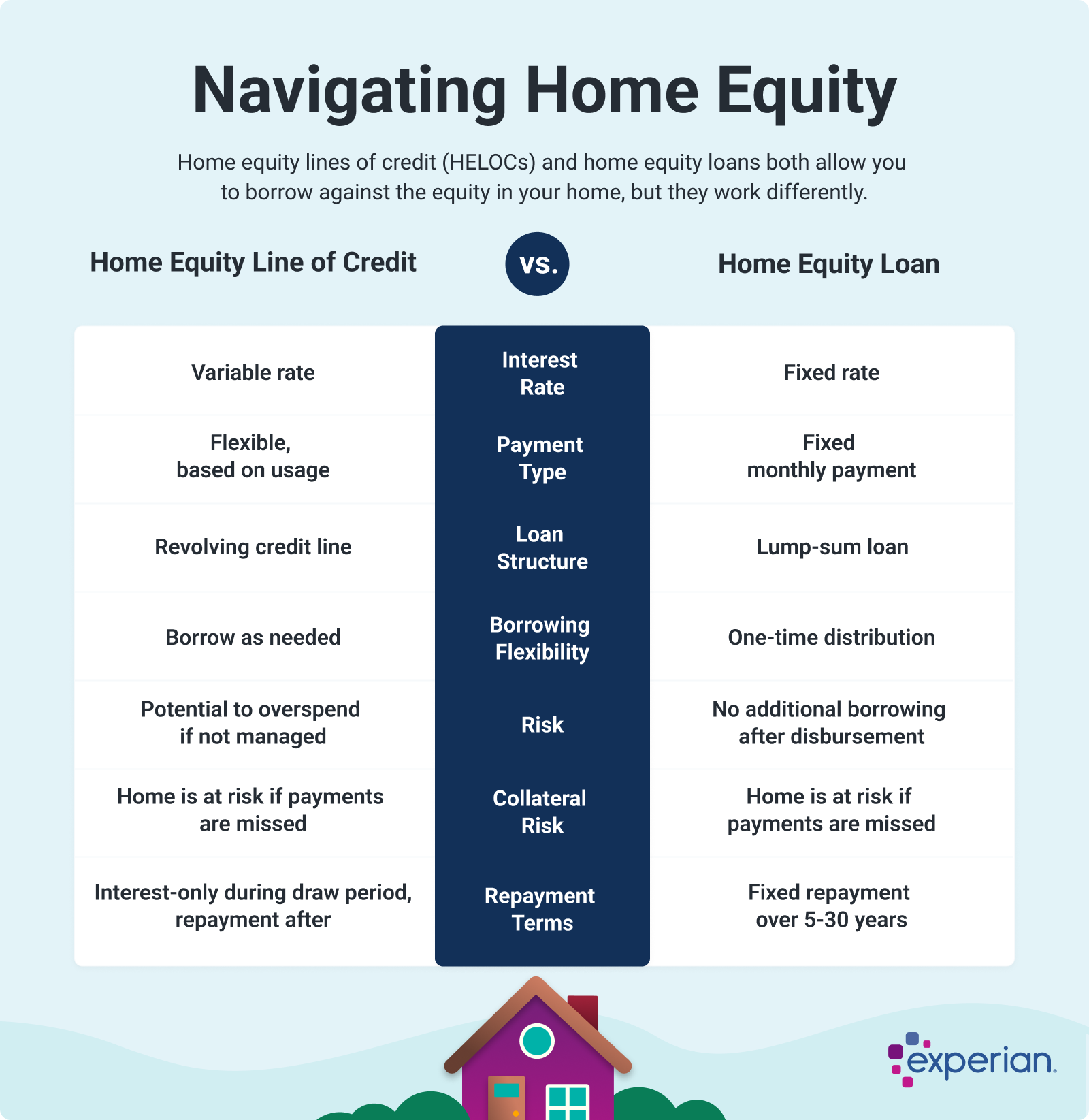
There are two main types: traditional home equity loans and home equity lines of credit (HELOCs). A traditional loan gives you a lump sum with fixed payments. A HELOC lets you borrow as needed, like a credit card. HELOCs have variable interest rates, unlike fixed-rate loans.
Common Uses For Home Equity Loans
Many use these loans for home repairs or improvements. They also help pay for education or medical bills. Debt consolidation is another popular reason. Some use the money for major purchases or emergencies. These loans provide access to cash at a lower cost.
Credit: www.esl.org
Key Risks Of Home Equity Loans
Home equity loans can help with money needs, but they carry risks. Understanding these risks protects your home and finances. Knowing what can go wrong helps you make smart choices. Here are key risks to consider before taking a home equity loan.
Risk Of Foreclosure
A home equity loan uses your house as security. If you miss payments, the lender can take your home. Foreclosure means losing your property and your investment. This risk makes timely payments very important. Falling behind could cost you more than money.
Impact On Credit Score
Taking a home equity loan affects your credit score. Missing payments lowers your score quickly. High loan balances can also reduce your score. A lower credit score means higher costs for future loans. Managing payments well protects your credit health.
Variable Interest Rate Concerns
Some home equity loans have variable interest rates. This means your rate can go up or down. Rising rates increase your monthly payments. Higher payments may strain your budget and cause missed payments. Fixed rates offer more payment stability.
Financial Implications
Taking a home equity loan affects your finances in many ways. Understanding these effects helps you decide if this loan suits your needs. It is important to know how it changes your budget, taxes, and future money plans.
Effect On Monthly Budget
Monthly payments for a home equity loan add to your regular bills. These payments include both the loan amount and interest. Make sure your income can cover this new cost comfortably. Missing payments can lead to serious financial problems.
Tax Considerations
Interest on a home equity loan may be tax-deductible. This depends on how you use the loan money. Using it for home improvements often qualifies for deductions. Check current tax rules or ask a tax expert to be sure.
Long-term Financial Commitment
A home equity loan usually lasts several years. You commit to paying back the loan plus interest over time. This means less money available for other expenses or savings. Plan carefully to avoid financial strain in the future.
Alternatives To Home Equity Loans
Home equity loans can help with big expenses. Still, they are not the only choice. Other options may suit your needs better. These alternatives can offer different benefits and risks. Knowing these choices helps you pick the right one.
Personal Loans Vs. Home Equity
Personal loans do not use your home as security. This means no risk of losing your home if you miss payments. They often have fixed interest rates and set terms. The loan amount can be smaller than a home equity loan. Approval depends on your credit and income.
Refinancing Options
Refinancing changes your current mortgage terms. It can lower your interest rate or monthly payment. You may also take out cash through a cash-out refinance. This option spreads your debt over a new loan. It can be a good way to manage costs.
Home Equity Line Of Credit (heloc)
A HELOC works like a credit card with your home as security. You can borrow and repay money repeatedly during a draw period. Interest rates are usually variable, which may change over time. This option offers flexibility for ongoing expenses. Payments may be interest-only at first.
Tips For Safe Borrowing
Borrowing money through a home equity loan can help with big expenses. It also carries risks if not managed well. Safe borrowing means careful planning and wise choices. Follow these tips to protect your finances and your home.
Assessing Your Financial Situation
Start by reviewing your income and expenses. Know how much money you can pay each month. Consider any debts you already have. Avoid borrowing more than you can comfortably repay. Think about job stability and future expenses. A clear picture prevents financial stress later.
Choosing The Right Lender
Pick a lender with good reviews and fair terms. Compare interest rates and fees from several lenders. Check if the lender is licensed and trustworthy. Ask questions about repayment options and penalties. A reliable lender offers clear answers and support.
Reading The Fine Print
Read all loan documents carefully before signing. Look for hidden fees, changes in interest rates, and repayment rules. Understand what happens if you miss a payment. Know the consequences of late payments or default. Clear knowledge helps avoid surprises and protects your home.
Credit: www.experian.com
Frequently Asked Questions
What Risks Are Involved In A Home Equity Loan?
Home equity loans use your home as collateral, risking foreclosure if you default. Interest rates may vary, affecting repayment. Assess your financial stability before borrowing to avoid losing your property.
How Does A Home Equity Loan Affect Credit Score?
Timely payments on a home equity loan can improve your credit score. However, missed payments or default can damage it. Maintaining consistent payments is crucial to protect your credit health.
Is A Home Equity Loan Better Than A Personal Loan?
Home equity loans usually offer lower interest rates than personal loans. They provide larger borrowing amounts but require collateral. Choose based on your financial needs and risk tolerance.
Can I Lose My Home With A Home Equity Loan?
Yes, failure to repay a home equity loan can lead to foreclosure. The lender has the right to claim your home if you default. Always ensure you can meet repayment terms.
Conclusion
A home equity loan can help with important expenses or debts. It uses your house as security, so be careful. Make sure you understand the loan terms and risks. Think about your ability to repay the loan on time. Compare options from different lenders to find a good fit.
Speak with a trusted financial advisor before deciding. A smart choice can keep your home safe and finances steady. Take your time and choose what feels right for you.