Are you thinking about unlocking the value of your home but unsure if equity release is the right choice for you? Understanding both the advantages and disadvantages is key before making such an important decision.
This guide will help you see how equity release can impact your finances, lifestyle, and future plans. By the end, you’ll know exactly what to expect and whether this option fits your needs. Keep reading to discover the real benefits and potential risks you should consider.

Credit: www.youtube.com
Basics Of Equity Release
Equity release lets older homeowners get money from their home. It uses the value of the house without selling it. This helps people pay bills or enjoy life without moving out.
Understanding the basics helps decide if equity release fits your needs. It is important to know the types and who can apply. This knowledge guides you through the process safely.
Types Of Equity Release Plans
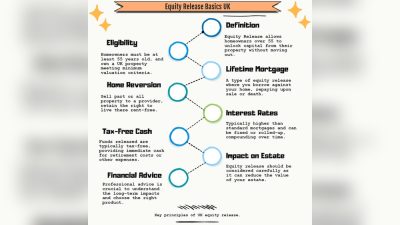
Two main types exist: lifetime mortgage and home reversion. Lifetime mortgage lets you borrow money against your home. You keep ownership and repay later, usually when you die or move.
Home reversion means selling part or all of your home to a company. You live rent-free but give up some future value. Each plan suits different needs and situations.
Eligibility Criteria
Most plans need you to be at least 55 years old. Your home must be your main residence. It should meet certain value and condition standards.
Lenders check your financial situation and home value. Not all homes qualify. It is important to meet rules for a safe agreement.
Financial Benefits
Equity release offers clear financial benefits for many homeowners. It allows access to cash tied up in property without selling the home. This cash can help cover living costs or pay off debts. Understanding these benefits helps decide if equity release fits your needs.
Accessing Home Equity
Equity release lets you convert part of your home’s value into cash. You receive a lump sum or regular payments. No need to move out or sell your house. This option suits those with limited income but significant home equity. It provides extra funds while staying in your home.
Tax Implications
Money from equity release usually has no tax to pay. It is not treated as income by tax authorities. This means it does not affect your income tax bill. Always check local tax rules before deciding. Avoid surprises by understanding tax details early.
Impact On Retirement Funds
Equity release can protect your savings and pensions. Using home equity may reduce the need to spend retirement funds. This can help your money last longer. Yet, it can affect inheritance plans or future finances. Consider how it changes your overall retirement picture.
Risks And Drawbacks
Equity release can provide cash for people over 55 using their home value. It has benefits but also risks. Understanding these risks helps make better choices. Some drawbacks affect your money, family, and future plans.
Effect On Inheritance
Equity release reduces the home’s value over time. This means less money for your heirs. The loan and interest lower what you leave behind. It can cause family disagreements about inheritance. Planning carefully is important to protect your legacy.
Interest And Repayment Issues
Interest on equity release builds up each year. It can grow quickly and increase the total debt. Repayment happens when you move out or pass away. The debt might be higher than expected. This can affect your financial security in later years.
Potential Impact On Benefits
Equity release money can change your eligibility for benefits. Some state benefits depend on your income or savings. Extra cash might reduce or stop these payments. Check benefit rules before applying for equity release. Avoid losing support you rely on.
Credit: www.capstonepartners.com
Considerations Before Choosing Equity Release
Choosing equity release is a big decision. It affects your finances and future. Think carefully before you decide. Understand your situation well. Know all your options. Get advice from experts. This helps you avoid problems later.
Assessing Personal Financial Situation
Check your current money needs. Look at your savings and debts. Think about your monthly expenses. Know how much money you need now and later. Consider your age and health. This affects your financial plans. Be sure equity release suits your life.
Alternative Options
Explore other ways to get money. Think about selling unused items or property. Check if family can help. Look into downsizing your home. Consider a personal loan or pension advance. Compare costs and risks of each choice. Pick the option that fits best.
Seeking Professional Advice
Talk to a financial advisor. They explain complex terms clearly. They help you understand risks and benefits. They check if equity release meets your needs. Get advice from trusted sources only. Avoid decisions based on pressure or sales talk. A good advisor guides you safely.
Real-life Examples
Real-life examples help us see how equity release works in everyday life. They show the good and the bad sides of this financial option. Understanding these stories makes it easier to decide if equity release fits your needs.
Success Stories
Many people use equity release to improve their quality of life. One couple used it to renovate their home and enjoy retirement. They added a new kitchen and fixed the roof without worrying about monthly payments. Another example is a woman who helped her grandchildren pay for college fees. She felt happy supporting her family without selling her house.
These stories show how equity release can provide cash for important needs. It offers financial support while letting people stay in their homes. Careful planning made these examples work well.
Common Pitfalls
Some people face problems with equity release. One man did not fully understand the interest costs. His loan grew faster than expected, reducing the inheritance for his children. Another example is a woman who needed to move into care sooner than planned. She had to repay the loan early, which was costly.
These cases show the risks of equity release. Not knowing the details or future needs can cause issues. It is important to get clear advice and consider all options before deciding.
Credit: www.capstonepartners.com
Frequently Asked Questions
What Are The Main Benefits Of Equity Release?
Equity release allows homeowners to access cash from their property without moving. It provides financial flexibility and can supplement retirement income. It also helps pay off debts or fund home improvements while retaining home ownership until death or moving into long-term care.
What Risks Come With Equity Release Schemes?
Equity release reduces the property’s inheritance value as interest accumulates over time. It may affect eligibility for means-tested benefits. Early repayment charges can be high, and the homeowner must stay in the property as their main residence until death or moving to care.
Who Is Eligible For Equity Release?
Typically, homeowners aged 55 or older with significant property value qualify. The home must be their main residence and in good condition. Lenders assess the property value and borrower’s circumstances to determine eligibility and suitable equity release options.
How Does Equity Release Affect Inheritance?
Equity release decreases the property’s value passed to heirs because loan and interest repay from the estate. This means less inheritance for beneficiaries. Planning and discussing with family members is crucial before proceeding with equity release to avoid future disputes.
Conclusion
Equity release offers a way to access money from your home. It can help with extra cash during retirement. But it also reduces the amount you leave to heirs. Interest can add up, making the loan bigger over time. Careful thinking and advice are very important before deciding.
Weigh the benefits and risks for your situation. This choice affects your future finances and family. Take time to understand all details clearly. Make sure it fits your needs and goals well.