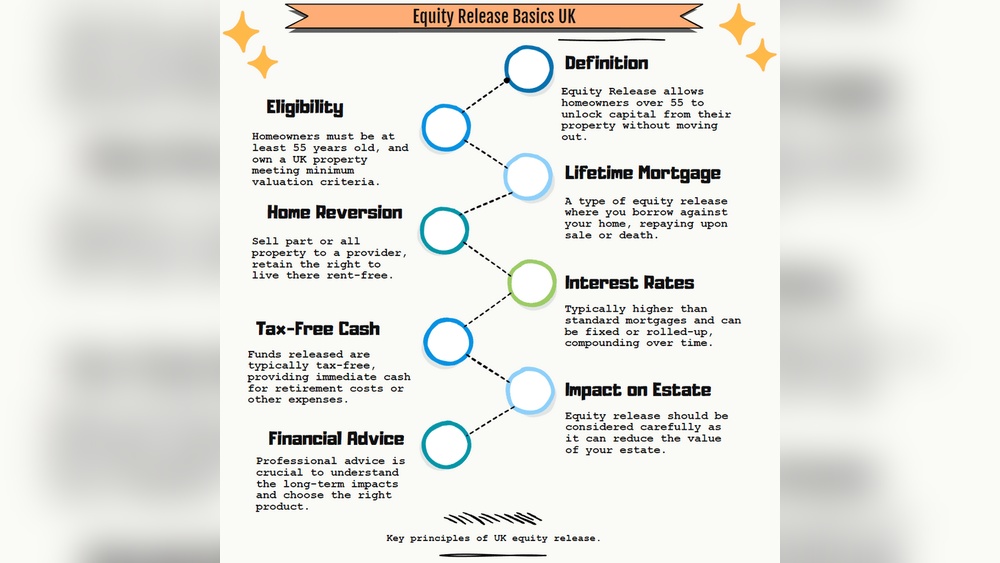
Have you ever wondered how to unlock the hidden value inside your home? Releasing equity from your property can give you the cash you need for big expenses, debt consolidation, or even that dream renovation.
But how exactly do you do it without risking your financial security? This guide will walk you through simple, clear steps to help you understand your options and make smart choices. Keep reading to discover how you can turn your home’s value into real money—without the confusion or stress.

Credit: moneysherpa.ie
Ways To Tap Home Equity
Home equity is the value of your home minus what you owe on your mortgage. It can be a useful resource for money. There are several ways to tap into this equity. Each option works differently and suits different needs.
Home Equity Loans
Home equity loans let you borrow a lump sum of money. You get one fixed interest rate and fixed monthly payments. This option is good for big expenses like home repairs or debt payoff. You repay the loan over a set period, usually 5 to 15 years.
Home Equity Lines Of Credit
Home equity lines of credit (HELOCs) work like a credit card. You get a credit limit and can borrow money as needed. Interest rates are usually variable, and you pay only on what you use. This option is flexible for ongoing expenses or emergencies.
Cash-out Refinancing
Cash-out refinancing replaces your current mortgage with a new one. The new loan is larger, and you get the difference in cash. This method can lower your interest rate while giving you money. It works well if mortgage rates are low.
Reverse Mortgages
Reverse mortgages are for homeowners aged 62 or older. They convert home equity into loan proceeds without monthly payments. The loan is repaid when you sell the home or pass away. This option provides steady income for retirement needs.

Credit: symmetryfinancial.ie
Evaluating Your Financial Situation
Before releasing equity from your home, evaluate your financial situation carefully. This step helps you understand what you own and owe. It also shows how much money you can access without risks. Take your time to check all details. Knowing your numbers makes the process clearer and safer.
Assessing Your Home’s Value
Start by finding out how much your home is worth today. Use online tools or ask a local real estate agent. They can give you a good estimate. The value depends on location, size, and condition. A higher value means more equity to consider.
Calculating Existing Mortgage Balances
Check how much you still owe on your mortgage. Look at your latest mortgage statement. Include all loans secured by your home. Subtract this amount from your home’s value next. This number affects how much equity you can release.
Determining Available Equity
Available equity equals your home’s value minus what you owe. For example, if your home is worth $300,000 and you owe $200,000, your equity is $100,000. Some lenders allow you to borrow up to 80% of this equity. Know your limits before applying for a loan or refinance.
Qualifying Criteria For Equity Release
Releasing equity from your home is a big decision. Lenders want to know you can repay the loan safely. They check several things before approving equity release. These checks help protect you and the lender.
Understanding the qualifying criteria makes the process clearer. It shows what lenders expect from you. This knowledge helps you prepare your application well.
Credit Score Requirements
Lenders look at your credit score to judge risk. A good credit score shows you pay debts on time. Most lenders want a score above 620. Scores below this may need extra checks or higher interest rates. Fixing errors on your credit report can improve your chances.
Income And Employment Verification
Proof of stable income is crucial. Lenders ask for pay slips or bank statements. They want to see steady earnings over time. Self-employed people must provide tax returns or accounts. This step proves you can handle monthly payments.
Debt-to-income Ratios
The debt-to-income ratio compares your debts to income. Lenders prefer a ratio under 40%. This means your debts do not overload your income. A low ratio shows you manage money well. High ratios may cause lenders to reject applications.
Pros And Cons Of Equity Release Options
Equity release lets you access money tied up in your home. It offers financial help without selling your house. Yet, it is not perfect. Each option has good and bad points. Understanding these helps you make wise choices.
Interest Rates And Fees
Equity release often comes with higher interest rates. This means you pay more over time. Some plans have fees for setup or early repayment. These costs can add up quickly. Check all charges before deciding.
Impact On Homeownership
Using equity release means your home value reduces for inheritance. You still live in your house, but ownership changes slightly. The amount you owe grows with time. This can affect what you leave to family.
Tax Implications
Money from equity release is usually tax-free. It does not count as income. This can help if you want extra funds without raising your tax bill. Still, talk to a tax expert for your situation.
Steps To Secure Equity Release
Releasing equity from your home requires clear steps to follow. This process helps you access the value built in your property. It involves careful planning and choosing the best options for your needs.
Understanding each step makes the process smoother and less stressful. Below are key steps to secure equity release effectively.
Gathering Necessary Documentation
Start by collecting important documents about your home and finances. Proof of ownership is essential. Recent mortgage statements and home valuation reports help too. You will also need proof of identity and income. These papers speed up your application and reduce delays.
Choosing The Right Lender
Research lenders who offer equity release plans. Check their reputation and customer reviews. Compare interest rates and terms carefully. Look for lenders who explain terms clearly. Choose a lender that fits your financial situation and goals.
Application And Approval Process
Fill out the application form with accurate details. Submit all required documents with your application. The lender will review your information and property value. They may ask for more details or a home survey. After assessment, you receive approval or advice on next steps.

Credit: www.youtube.com
Expert Tips To Maximize Equity Release
Releasing equity from your home can provide extra cash for various needs. Using smart tips helps you get the most money with fewer risks. These expert tips focus on timing, home value, and loan terms.
Careful planning can increase your available equity and reduce costs. Small steps before applying make a big difference in your payout.
Timing The Market
Property values change over time. Selling or releasing equity when prices are high means more money for you. Watch local market trends closely. Avoid times when prices drop or stay flat. Choose a moment when demand is strong in your area. This strategy helps get better loan deals too.
Improving Home Value Before Release
Simple home upgrades can raise your property’s worth. Fix broken items like doors, windows, and leaks. Fresh paint and clean landscaping make a good impression. Small renovations in kitchens or bathrooms add value fast. These improvements increase the amount you can borrow.
Negotiating Terms And Rates
Loan conditions greatly affect your equity release cost. Compare offers from different lenders before deciding. Ask for lower interest rates and flexible payment plans. Understand fees and penalties clearly. Negotiate to find terms that fit your budget and plans better.
Common Mistakes To Avoid
Releasing equity from your home can be helpful. It can fund projects or pay debts. But mistakes can cause problems. Knowing what to avoid is important. These common errors can affect your finances and future.
Overborrowing
Taking out too much money is risky. It raises monthly payments and interest costs. This can strain your budget. Overborrowing may lead to trouble paying your mortgage. Borrow only what you truly need.
Ignoring Long-term Costs
Focus on immediate cash, not future costs. Equity release may include fees and higher interest. These add up over time. Ignoring long-term costs can reduce your home’s value. Plan for all expenses before deciding.
Neglecting Professional Advice
Skipping expert help leads to poor choices. Financial advisors and mortgage brokers offer guidance. They explain terms and risks clearly. Neglecting advice may result in costly mistakes. Consult professionals to protect your interests.
Frequently Asked Questions
What Is Home Equity And How Can I Access It?
Home equity is the difference between your home’s value and mortgage owed. You can access it through loans, refinancing, or selling your home.
How Does A Home Equity Loan Work?
A home equity loan lets you borrow a lump sum using your home as collateral. It has fixed interest rates and repayment terms.
What Are The Risks Of Releasing Equity From Home?
Releasing equity increases your mortgage debt and monthly payments. You risk foreclosure if you cannot repay the loan.
Can I Release Equity Without Refinancing My Mortgage?
Yes, options include home equity loans or lines of credit. These do not require refinancing your original mortgage.
Conclusion
Releasing equity from your home can provide extra cash for many needs. It helps pay for repairs, education, or debt. Choose the right method based on your situation. Always check terms and costs carefully before deciding. Talk with a trusted advisor for clear guidance.
Use your home’s value wisely and plan ahead. Taking small steps leads to smart financial choices. Your home’s equity can support your goals safely. Think about what suits you best and act with care.