Are you curious about how an equity loan works but feel overwhelmed by complicated terms? You’re not alone.
Understanding equity loans can unlock new financial opportunities for you, like funding home improvements or consolidating debt. This guide breaks down everything in simple steps, so you can see exactly how it fits into your money plan. By the end, you’ll feel confident making smart decisions with your home’s value.
Keep reading—your wallet will thank you!

Credit: www.citizensbank.com
What Is An Equity Loan
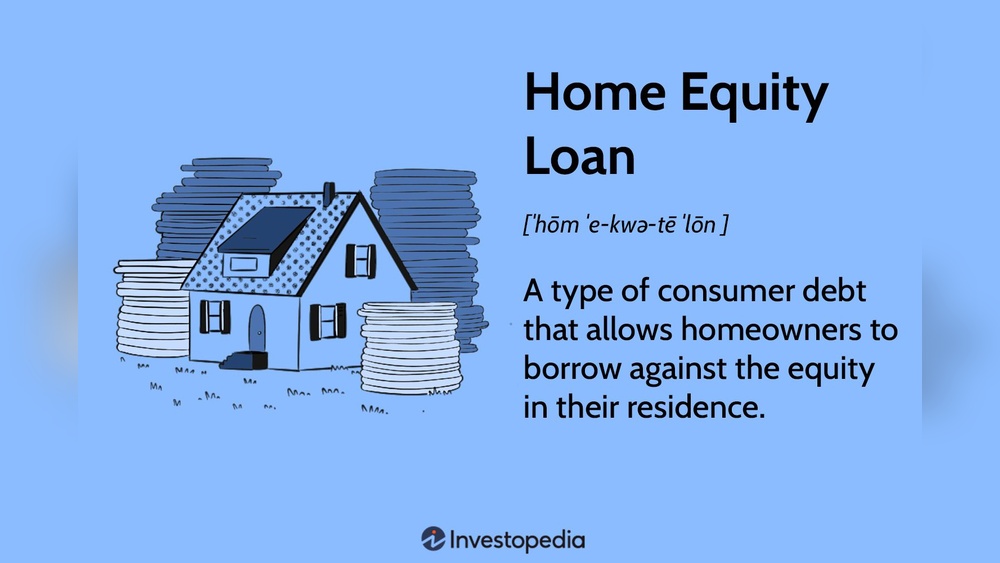
An equity loan lets you borrow money using your home’s value. It is a way to get cash without selling your house. You get money based on the equity you have built up in your property.
Equity means the part of your home you really own. It is the current market value minus what you still owe on your mortgage. The bigger your equity, the more you can borrow.
What Is Equity In Simple Terms?
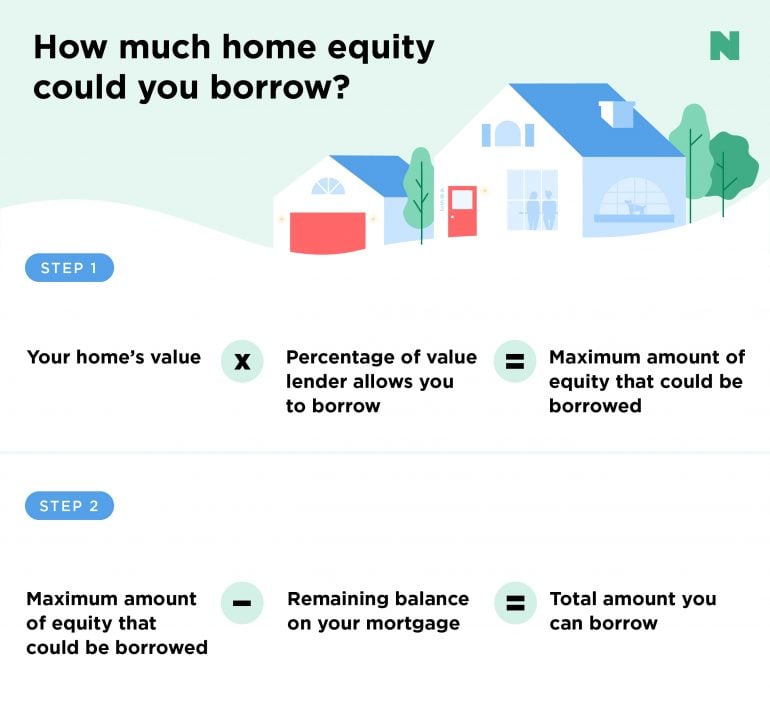
Equity is the difference between your home’s worth and your mortgage. If your house is worth $200,000 and you owe $100,000, your equity is $100,000. This equity can be used as security for a loan.
How Does An Equity Loan Work?
You borrow money using your home equity as collateral. The lender gives you a loan based on a percentage of your equity. You repay the loan with interest over time, like a mortgage.
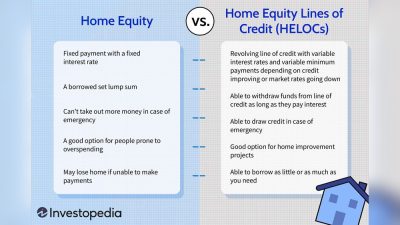
There are two main types: a home equity loan and a home equity line of credit (HELOC). A home equity loan gives a lump sum. A HELOC works like a credit card, letting you borrow as needed.
Who Can Get An Equity Loan?
Homeowners with enough equity can apply. Lenders check your credit, income, and the home’s value. You must have a good payment history on your mortgage.
Types Of Equity Loans
Equity loans let homeowners borrow money using their house value. There are two main types. Each works a bit differently. Knowing the difference helps you choose the right one.
Both types use your home’s equity as security. The loan amount depends on how much equity you have. Understanding these loans makes borrowing safer and easier.
Home Equity Loan
This loan gives you a lump sum of money. You pay it back in fixed monthly payments. The interest rate is usually fixed. This means your payments stay the same over time. You know exactly how much to pay every month. It works well for big, one-time expenses like home repairs or debt payoff.
Home Equity Line Of Credit (heloc)
A HELOC works like a credit card. You get a credit limit based on your home equity. You can borrow money as needed, up to that limit. You pay interest only on what you borrow. The interest rate is usually variable, so payments may change. It suits ongoing expenses or projects with varying costs.
How Equity Loans Work
An equity loan lets you borrow money using your home’s value. It works by using the difference between your home’s current worth and what you owe. This difference is called “equity.”
You get a loan based on this equity. The loan helps pay for big expenses like home repairs or education. The process is simple but knowing how it works is important.
Loan Amount Calculation
The loan amount depends on your home’s equity. Lenders usually allow borrowing up to 80% of your home’s value minus what you owe. For example, if your home is worth $200,000 and you owe $150,000, the equity is $50,000. You could borrow a portion of that $50,000.
Interest Rates Explained
Interest rates on equity loans are often lower than other loans. They can be fixed or variable. Fixed rates stay the same during the loan period. Variable rates can change based on market conditions. Lower rates mean paying less money over time.
Repayment Options
You can repay equity loans in different ways. Some loans require monthly payments of principal and interest. Others allow interest-only payments for a set time. Some loans let you repay when you sell your home. Choose the option that fits your budget best.
Benefits Of Equity Loans
Equity loans offer many benefits for homeowners. They let you use your home’s value to get money. This money can help with many needs without selling your house. Many people find equity loans easier to manage than other loans. The benefits make equity loans popular and smart choices for borrowing.
Lower Interest Rates
Equity loans usually have lower interest rates than credit cards or personal loans. Lower rates mean you pay less money in the long run. This makes monthly payments smaller and easier to afford. Paying less interest helps you save money every month. It also helps you pay off the loan faster.
Flexible Use Of Funds
You can use equity loan money for almost anything. Home repairs, education, or medical bills are common uses. Some people use the money to pay off other debts. You decide how to spend the funds without restrictions. This flexibility makes equity loans useful for many situations.
Risks And Considerations
Taking an equity loan can seem easy, but there are risks to consider. Understanding these risks helps protect your money and home. It is important to know how the loan affects your home and what extra costs you might face.
Impact On Home Ownership
An equity loan means you borrow using your home’s value. This can reduce the amount of ownership you have. The loan must be paid back with interest. If you cannot pay, the lender may sell your home. This puts your home at risk. Also, the loan reduces the equity you have in your house. This means less money if you sell your home later.
Potential Fees And Costs
Equity loans come with fees. There may be application fees and closing costs. Some loans charge monthly service fees. Interest rates can be higher than other loans. Missing payments can add late fees. These costs add up and increase your debt. It is key to read all loan details carefully before borrowing.
:max_bytes(150000):strip_icc()/dotdash-INV-infographic-Home-Equity-Loan-v1-9ae3dc9a5cc141d5a25ed2975c08ea1c.jpg)
Credit: www.investopedia.com
Eligibility Criteria
Equity loans need certain rules to be met. These rules help lenders decide who can borrow money. They check your financial health and the value of your home. Meeting these rules improves your chance to get an equity loan.
Credit Score Requirements
Lenders want to see a good credit score. This score shows how well you pay back debts. Usually, a score above 620 is needed. Low scores may cause rejection or higher interest rates.
Income Verification
Lenders check your income to ensure you can repay the loan. Pay stubs, tax returns, or bank statements prove your income. Stable and enough income increases loan approval chances.
Home Appraisal
An expert appraises your home to find its current value. The loan amount depends on this value. A higher home value means you may borrow more money.
Steps To Apply
Applying for an equity loan can seem tricky at first. Following clear steps makes the process simple. Each step helps you move closer to getting the money you need. Understanding these steps saves time and effort.
Gathering Documents
Start by collecting all needed papers. Proof of income is important. Pay stubs and tax returns work well. You also need proof of property ownership. A recent mortgage statement helps. Keep identification documents ready too. A photo ID or passport is best.
Choosing The Right Lender
Find a lender who offers good terms. Compare interest rates and fees carefully. Look for lenders with clear rules. Some may offer faster approval. Others may have lower costs. Pick one that fits your needs best.
Approval Process
After applying, the lender reviews your documents. They check your credit and income. They also assess your home’s value. This step decides if you qualify. It may take a few days or weeks. Stay in touch with the lender during this time.
Tips For Managing Equity Loans
Managing an equity loan well helps keep your finances safe and stress-free. This type of loan uses your home’s value as security. You borrow money against the equity you have built up. Careful management prevents debt from becoming too large.
Smart habits make repayments easier and keep your credit healthy. Keep track of your spending and plan your budget clearly. Avoid borrowing more than you can repay comfortably.
Budgeting For Repayments
Set a clear budget for your monthly repayments. Know exactly how much money you can afford to pay. Include this in your regular monthly expenses. Track your income and spending carefully every month. Avoid surprises by keeping an emergency fund ready. This fund helps cover repayments if income drops. Use tools like apps or spreadsheets to stay organized.
Avoiding Overborrowing
Borrow only what you need from your equity loan. Taking too much increases your monthly payments and interest. Think about future expenses and possible income changes. Don’t spend the loan on unnecessary items. Focus on important needs like home repairs or debt consolidation. Keep a safety margin to protect your financial health.
Credit: www.nerdwallet.com
Frequently Asked Questions
What Is An Equity Loan And How Does It Work?
An equity loan lets you borrow against your home’s value. You repay it later with interest. It helps access cash without selling your property. The loan amount depends on your home’s equity and lender terms.
Who Qualifies For An Equity Loan?
Homeowners with sufficient equity qualify. Lenders check credit score, income, and property value. Equity must exceed the loan amount. Meeting these criteria improves your loan approval chances.
How Is Equity Loan Repayment Structured?
Repayment usually involves monthly payments with interest. Some loans offer interest-only options initially. Terms vary from 5 to 30 years. Early repayment may incur fees, so check your loan agreement.
What Are The Risks Of An Equity Loan?
Risks include losing your home if you default. Interest rates can rise, increasing payments. Borrowing too much reduces your home equity. Always assess financial ability before applying for one.
Conclusion
Equity loans help you use your home’s value to get cash. You borrow money based on how much your house is worth. You pay back the loan over time, usually with interest. This type of loan can help with big expenses or repairs.
Always check the terms and risks before borrowing. Understanding how equity loans work keeps you safe and informed. Use this knowledge to make smart choices about your money. Simple and clear—that’s how equity loans should feel.